
- Services
- Data Analysis services
- Sample Work
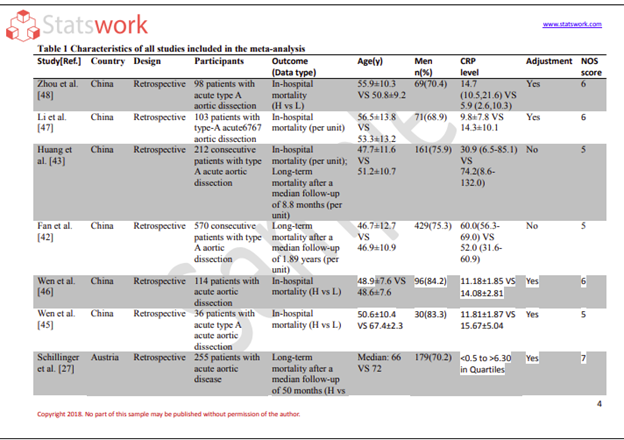
Data Analysis services
- Secondary Qualitative Research Services
- Secondary Quantitative Research Services
- Meta-Analysis Research services
- Sample Work
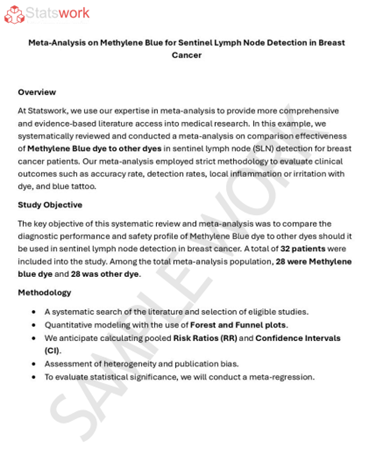
Meta-Analysis Research Services
- Data Collection Services
- Sample Work
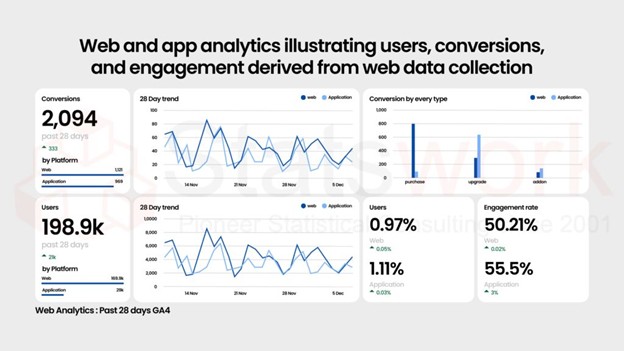
Data Collection Services
- Statistical & Biostatistics services
- Sample Work
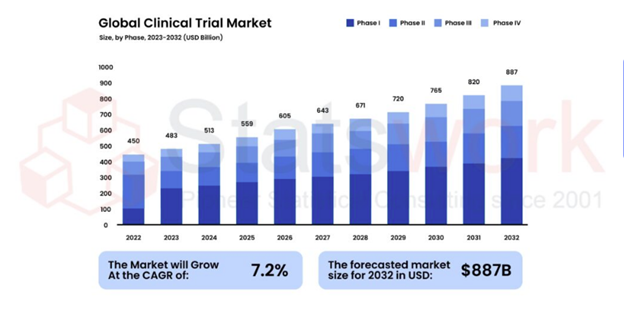
Statistical Programming & Biostatistics services
- Data Management Services
- Sample Work
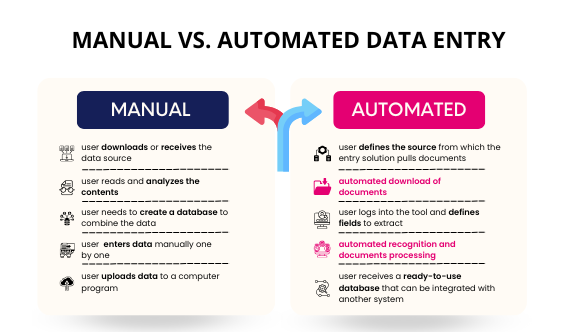
Data Management Services
- Research methodology services
- Sample Work
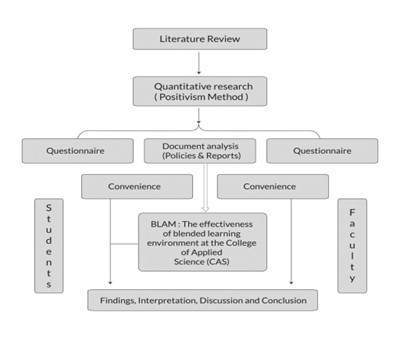
Research methodology services
- Tool Development Services
- Sample Work
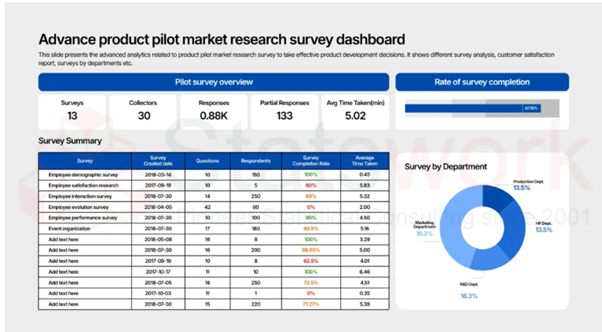
Tool development services
- Statistical Interpretation services
-
Statistical Interpretation services
- Sample Work
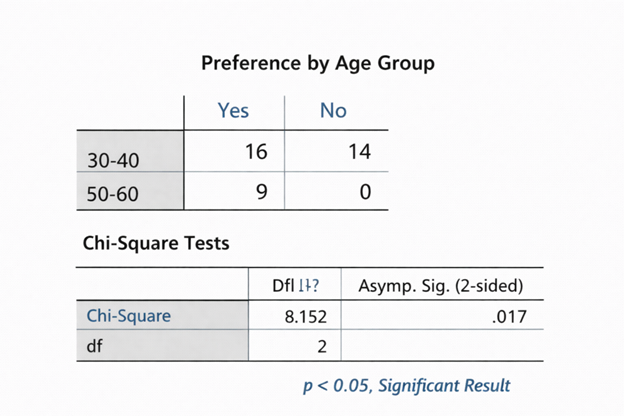
Statistical Interpretation services
-
- Sample Size Calculation Services
-
Sample Size Calculation Services
- Sample Work
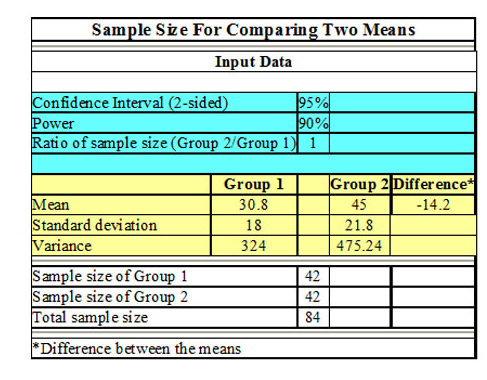
Sample Size Calculation Services
-
- AI & ML Services
-
Artificial Intelligence and Machine Learning Services
- Sample Work
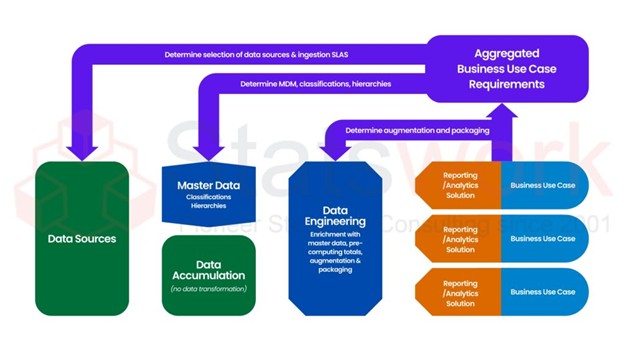
Artificial Intelligence and Machine Learning Services
-
- Meaningful Visualization Services
- Thought Leadership Services
- Report Generation Services
-
Report generation Service
- Sample Work
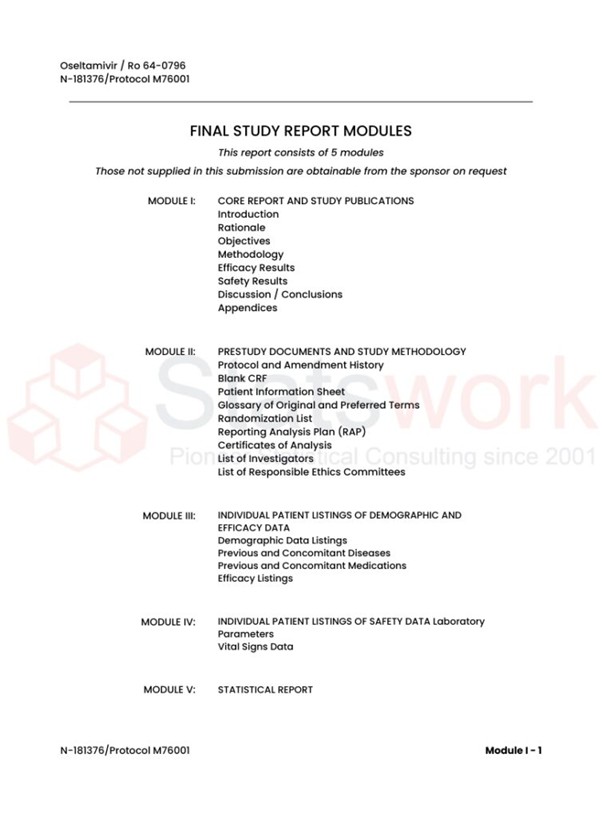
Report generation Services
-
- Data Analysis services
- Industries
- About Us
- Blog
- Insights
- Contact Us
- Services
- Data Analysis services
- Sample Work
Data Analysis services
- Secondary Qualitative Research Services
- Secondary Quantitative Research Services
- Meta-Analysis Research services
- Sample Work
Meta-Analysis Research Services
- Data Collection Services
- Sample Work
Data Collection Services
- Statistical & Biostatistics services
- Sample Work
Statistical Programming & Biostatistics services
- Data Management Services
- Sample Work
Data Management Services
- Research methodology services
- Sample Work
Research methodology services
- Tool Development Services
- Sample Work
Tool development services
- Statistical Interpretation services
-
Statistical Interpretation services
- Sample Work
Statistical Interpretation services
-
- Sample Size Calculation Services
-
Sample Size Calculation Services
- Sample Work
Sample Size Calculation Services
-
- AI & ML Services
-
Artificial Intelligence and Machine Learning Services
- Sample Work
Artificial Intelligence and Machine Learning Services
-
- Meaningful Visualization Services
- Thought Leadership Services
- Report Generation Services
-
Report generation Service
- Sample Work
Report generation Services
-
- Data Analysis services
- Industries
- About Us
- Blog
- Insights
- Contact Us
The Role of Statistical Programming in Clinical Trial Data Analysis
Qualitative Research Service
News & Trends
Recommended Reads
Contact us
Summary:
Statistical programming is one of the most critical tasks in translating raw data generated from clinical trials to evidence-compliant data by means of developing CRFs, SDTM/ADaM data sets, data verification, TLFs, and submission packages. It makes the submission process easy to the FDA, EMA, and PMDA through the utilization of real-world data using software such as SAS, R, Python, and SQL.
There is an incredible amount of data created by clinical trials, ranging from case report forms to lab findings to patient-reported outcomes, but none of which become evidence in and of themselves. The field of statistical programming is the practice of transforming raw data from clinical trials into evidence that can be used in submissions. It is crucial for sponsors, CROs, and biostatistics departments to understand this process [1].
Here is an overview of the process of statistical programming, the tools that are used to perform the process, and the decision-making involved in creating the program.
Why Statistical Programming Matters in Clinical Research
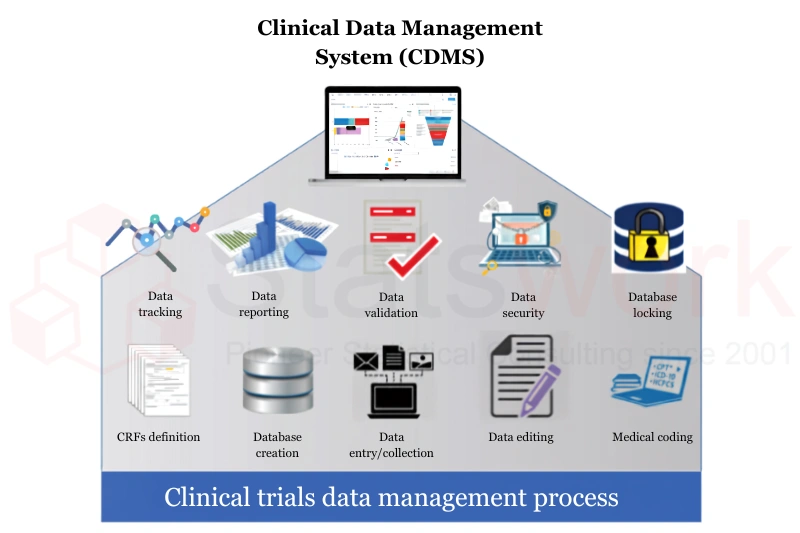
A statistical programmer sits between the protocol and the regulator. Their work spans:
- eCRF and CRF development – designing the way data is collected to fit the CDISC standards
- Data Cleaning and Validation – identifying problems in data which can impact the analysis process
- SDTM and ADaM dataset development – transforming the collected data into standard format
- Tables, Listings and Figures (TLFs) – developing tables, listings, and figures for the clinical study report
- xml and Reviewer’s Guide – preparing the datasets documentation for the regulatory review [2]
This role is what keeps clinical data manager input, biostatistician analysis plans, and protocol development aligned into one coherent, auditable data package.
Core Programming Tools: SAS vs R vs Python
Choice of language shapes speed, validation rigor, and regulatory acceptance. Most trial teams don’t pick one exclusively — they combine strengths.
| Tool | Strengths | Regulatory Recognition |
| SAS | SDTM/ADaM generation, macro libraries, and legacy validation | Long-standing recognition by the FDA and EMA |
| R | Statistical modeling, forest plots, and advanced data visualization | Growing recognition by the FDA and EMA; widely used for academic research and real-world evidence (RWE) |
| Python | Programming, data wrangling, AI-assisted quality control, and Sankey chart generation | Increasingly used for workflow automation but not accepted as a regulatory submission format |
| SQL / SPSS | Database management and exploratory data analysis | Supportive analysis tools; not recognized as regulatory submission formats |
Supporting Regulatory Submissions
As the complexity of the submission increases with the inclusion of genomics data, real world data, and adaptive trial designs, the statistical programmer will be responsible for:
- Creating submission packages in compliance with FDA, EMA, and PMDA standards
- Development of reviewer’s guides and dataset standards
- Emerging pathways including FDA’s Real Time Oncology Review (RTOR)
- Tracing back from source CRF data through to the finished ADaM datasets and TLFs [3]
Inconsistencies in standards or programming at this stage are one of the most common reasons for delays during the submission process, and hence automation programming and macro-based QC checks have become the norm rather than the exception.
Real-World Evidence: Growing Responsibility
Statistical programmers play a vital role in harmonization of disparate sources such as:
- Electronic health record (EHR)
- Claims database
- Patient registries
- Patient reported outcomes tool
Effective handling of RWD is equally important and involves the same process of cleansing and visualization of data to enable decision making just like clinical data. Graphics ready for publication are common outputs and include forest plots and Sankey diagrams depicting treatment pathway after disease relapses [4].
In-House vs. Outsourced Statistical Programming
Sponsors weighing whether to build internal capacity or work with a CRO/biostatistics partner typically compare these factors:
| Factor | Internal | External |
| Scaling speed for large or multiple study programs | Constrained by available staffing and internal resources | Highly scalable and flexible to meet changing project demands |
| Availability of cross-functional programmers (SAS/R/Python) | Limited by recruitment and hiring capacity | Access to a broader pool of experienced specialists |
| FDA/EMA/PMDA regulatory submissions | Depends on the experience and maturity of the internal team | Built through experience across multiple sponsors and submissions |
| Predictable pricing | Primarily salary-based operational costs | Pricing based on project scope and service scale |
| Vendor vetting effort | Not required | Requires due diligence, including SOP and validation review |
Conclusion
Statistical programming has moved from a back-office technical function to a strategic driver of clinical trial success. As trials grow more data-intensive and regulatory scrutiny increases, the programmers who manage CDISC compliance, cross-functional data flow, and real-world evidence integration are central to getting therapies approved — and to patients faster.
Statswork provides end-to-end Statistical Programming & Biostatistics services covering CRF design, SDTM/ADaM programming, TLF generation, and regulatory submission support — for sponsors and CROs who need validated, audit-ready clinical trial data analysis without building every capability in-house.
Frequently asked question:
Statistical programmers are responsible for transforming raw clinical trial data into standardized datasets, performing data validation, generating statistical outputs such as tables, listings, and figures (TLFs), and preparing regulatory submission packages in compliance with CDISC and global regulatory standards.
Statistics are essential in clinical trials because they ensure accurate study design, reliable data analysis, valid interpretation of results, and evidence-based conclusions regarding the safety and efficacy of medical treatments.
Statistical programming is the process of using programming languages such as SAS, R, or Python to clean, validate, analyze, and transform clinical trial data into standardized formats and regulatory-compliant outputs for decision-making and submissions.
SAS is widely used in clinical research for data management, SDTM and ADaM dataset creation, statistical analysis, TLF generation, and producing regulatory-compliant outputs for submissions to agencies such as the FDA and EMA.
SAS is generally preferred for clinical trials and regulatory submissions due to its robust programming capabilities and regulatory acceptance, while SPSS is better suited for exploratory statistical analysis, academic research, and simpler data analysis tasks.
Clinical Data Management (CDM) and SAS serve different purposes, with CDM focusing on collecting, validating, and maintaining clinical trial data, while SAS is used for statistical programming, data analysis, and generating regulatory submission datasets; together, they complement each other in the clinical research process.
Reference
- Yu, Y., Hu, X., Rajaganapathy, S., Feng, J., Abdelhameed, A., Li, X., … & Tao, C. (2026). Accelerating AI innovation in healthcare: real-world clinical research applications on the Mayo Clinic Platform. npj Health Systems, 3(1), 17. https://www.nature.com/articles/s44401
- Chen, B., Schneider, L. C., Röver, C., Comets, E., Elze, M. C., Hooker, A., … & Friede, T. (2026). In silico clinical trials in drug development: a systematic review. Therapeutic Innovation & Regulatory Science, 60(2), 423-439. https://link.springer.com/article
- Dixit, S., Sharma, D., Sharma, N., & Shukla, V. K. (2026). A review of software in clinical trials: FDA Regulatory frameworks and addressing challenges. Reviews on Recent Clinical Trials, 21(1), E15748871359356. https://www.benthamdirect.com/
- Yalcin, G., & Mutluay, F. (2026). The effect of interval and continuous aerobic training on exercise capacity and health-related quality of life in people with coronary artery disease: A randomized controlled trial. Respiratory Medicine, 108634. https://www.sciencedirect.com/science