
- Services
- Data Analysis services
- Sample Work
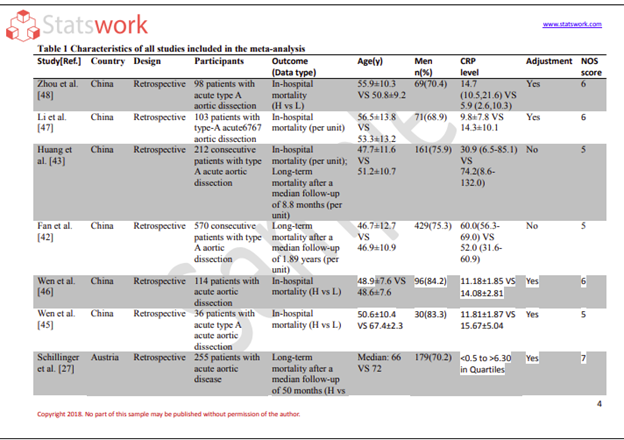
Data Analysis services
- Secondary Qualitative Research Services
- Secondary Quantitative Research Services
- Meta-Analysis Research services
- Sample Work
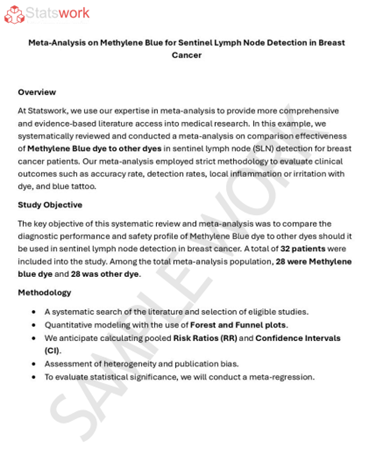
Meta-Analysis Research Services
- Data Collection Services
- Sample Work
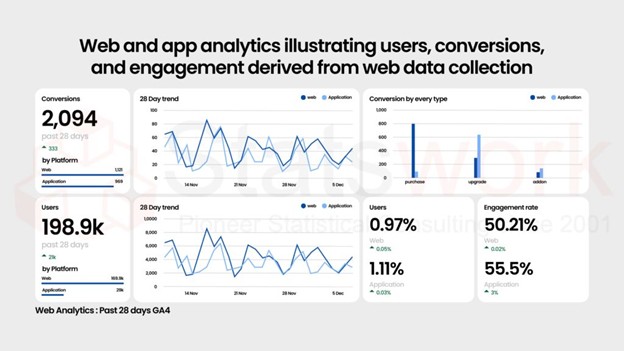
Data Collection Services
- Statistical & Biostatistics services
- Sample Work
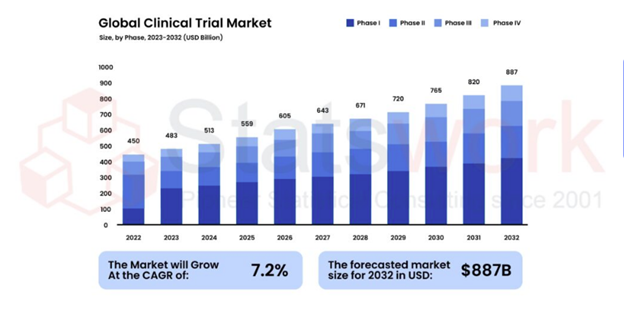
Statistical Programming & Biostatistics services
- Data Management Services
- Sample Work
Data Management Services
- Research methodology services
- Sample Work
Research methodology services
- Tool Development Services
- Sample Work
Tool development services
- Statistical Interpretation services
-
Statistical Interpretation services
- Sample Work
Statistical Interpretation services
-
- Sample Size Calculation Services
-
Sample Size Calculation Services
- Sample Work
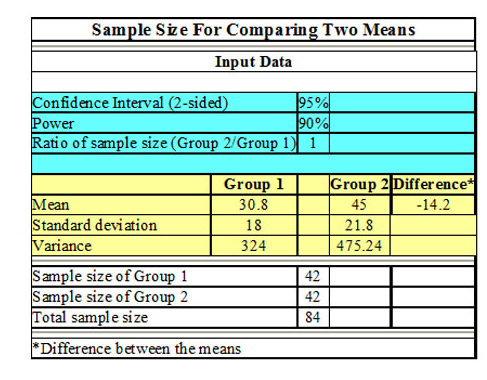
Sample Size Calculation Services
-
- AI & ML Services
-
Artificial Intelligence and Machine Learning Services
- Sample Work
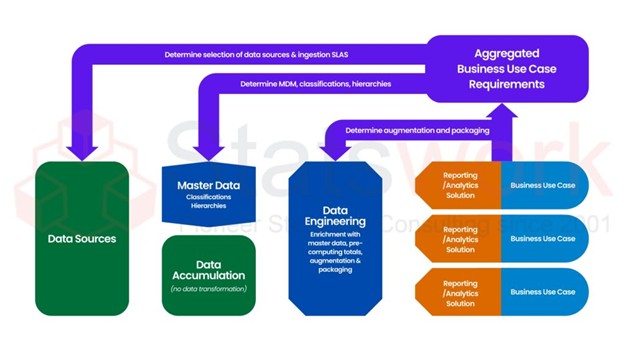
Artificial Intelligence and Machine Learning Services
-
- Meaningful Visualization Services
- Thought Leadership Services
- Report Generation Services
-
Report generation Service
- Sample Work
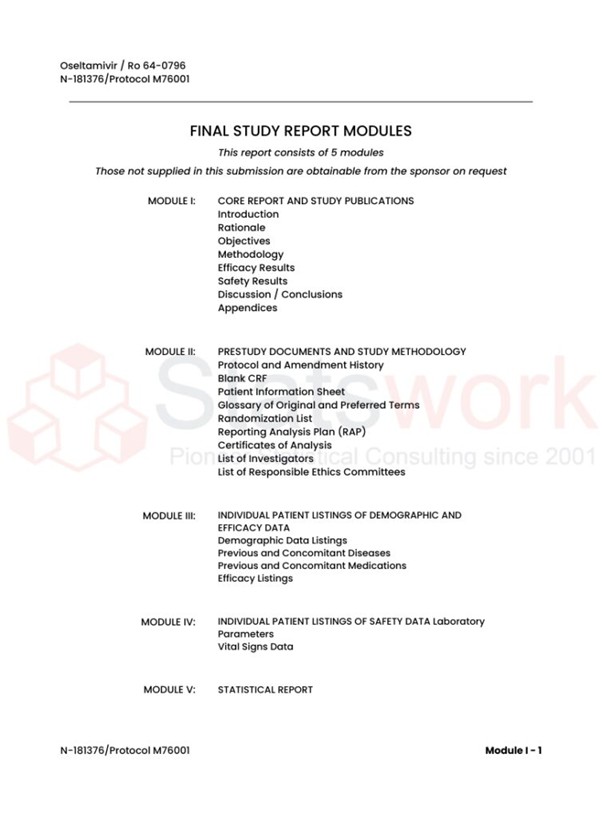
Report generation Services
-
- Data Analysis services
- Industries
- About Us
- Blog
- Insights
- Contact Us
- Services
- Data Analysis services
- Sample Work
Data Analysis services
- Secondary Qualitative Research Services
- Secondary Quantitative Research Services
- Meta-Analysis Research services
- Sample Work
Meta-Analysis Research Services
- Data Collection Services
- Sample Work
Data Collection Services
- Statistical & Biostatistics services
- Sample Work
Statistical Programming & Biostatistics services
- Data Management Services
- Sample Work
Data Management Services
- Research methodology services
- Sample Work
Research methodology services
- Tool Development Services
- Sample Work
Tool development services
- Statistical Interpretation services
-
Statistical Interpretation services
- Sample Work
Statistical Interpretation services
-
- Sample Size Calculation Services
-
Sample Size Calculation Services
- Sample Work
Sample Size Calculation Services
-
- AI & ML Services
-
Artificial Intelligence and Machine Learning Services
- Sample Work
Artificial Intelligence and Machine Learning Services
-
- Meaningful Visualization Services
- Thought Leadership Services
- Report Generation Services
-
Report generation Service
- Sample Work
Report generation Services
-
- Data Analysis services
- Industries
- About Us
- Blog
- Insights
- Contact Us
How to Collect Secondary Data for Statistical Analysis: Step-by-Step Guide
Qualitative Research Service
News & Trends
Recommended Reads
Contact us
Summary:
This content explains the fundamentals of secondary data collection, highlighting how organizations can leverage existing information from government databases, industry reports, academic journals, and internal business records to support research without collecting new data. It covers the differences between primary, secondary, and third-party data, outlines key secondary data sources, and provides a six-step process for collecting, evaluating, cleaning, and validating secondary data. The article also discusses common secondary data collection methods for market research, emphasizing the complementary roles of qualitative and quantitative data in generating reliable business insights and supporting informed decision-making.
All good statistical analyses start with good data, but not everything needs to be gathered fresh. Secondary data gathering enables analysts and market departments to draw on existing data that is already available from various government records, industry publications, journal articles, and corporate reports to construct a solid base for research work. In this article, you can find out how to do so properly [1].
What Is Secondary Data Collection?
Secondly, data collection involves the act of collecting and reusing the data collected by another person rather than using the primary data collected directly by the researcher. The distinction between primary data, secondary data, and third-party data will be helpful in establishing their correct places.
| Stage | Primary Activity | Output |
| Open Coding | Identify and label raw data | Concepts |
| Axial Coding | Connect and organize related concepts | Relationships among categories |
| Selective Coding | Integrate categories around a central (core) theme | Central category |
| Constant Comparison | Compare data continuously to refine emerging concepts and relationships | Validated theory |
Types of Secondary Data Sources
Knowledge about different types of secondary data will help researchers in deciding on the appropriate combination to meet their goal. The sources are broadly divided as:
Internal Sources Versus External Sources
- Internal: CRM data, internal corporate data, sales data, historical data
- External: government data, census data, journal articles, data from trade associations [2]
Some Popular Sources of Secondary Data
- S. Census Bureau
- Eurostat
- World Bank
- WHO (World Health Organization)
- ICPSR (Inter-University Consortium for Political and Social Research)
- gov
- Industry and trade associations reports
- Public Web data and company reports
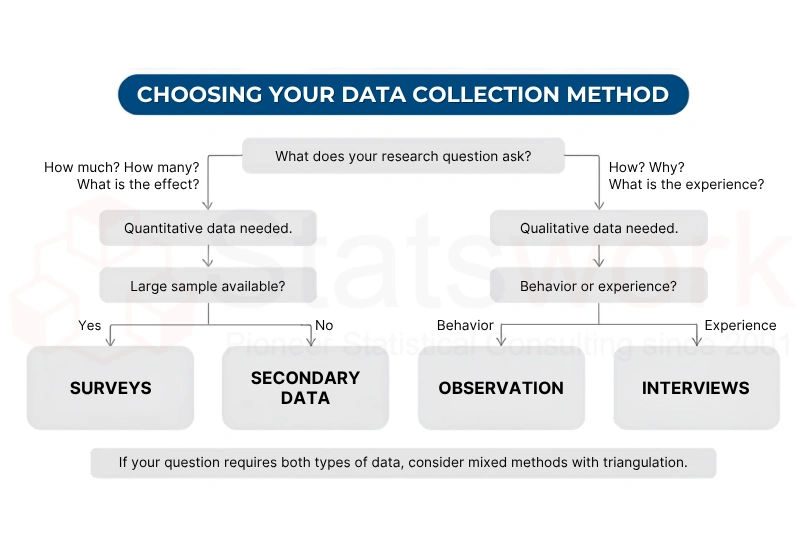
Step-by-Step Process to Collect Secondary Data
- Define Research Aim – The data should serve the purpose of helping to solve the specific research problem. It will help not to waste time on unnecessary things.
- Choose Suitable Sources – In accordance with the research aim, the appropriate mix of official statistics, business periodicals, academic research, or corporate documents may be employed.
- Evaluate the Source Quality – Evaluate such characteristics of sources as publication date, validity, and methodology used to collect the dataset.
- Extract Dataset – Collect the data set with variables which will help to solve the research problem using the Internet or databases data.
- Data Cleaning/Preprocessing – Solve problems related to missing observations, duplication, and formatting during data cleaning/preprocessing stage [3].
- Data Organization and Validation – Organize data rationally and validate the data before any analysis.
Secondary Data Collection Methods for Market Research
Secondary data collection for market research typically draws on a blend of qualitative and quantitative sources:
| Method | Example Use Case |
| Government & Census Data | Market sizing and demographic segmentation |
| Industry Reports | Competitive intelligence and benchmarking |
| Academic Journals | Theoretical grounding and literature review |
| Company Filings | Investment research and financial benchmarking |
| CRM & Internal Records | Lead generation and workforce/hiring trend analysis |
Differentiation between qualitative and quantitative secondary data is important – qualitative data (case studies and reports) provides context, whereas quantitative data (statistics from census and filings) facilitates statistical modeling.
Evaluating Data Quality Before Use
However, not all datasets are ready for analysis. Prior to using the secondary data, you need to evaluate whether the following criteria apply:
- Data integrity – Is it trustworthy source?
- Relevance of data – Does it really help solve your problem?
- Freshness of data – Is the data relevant to your study?
- Source authority – Did the authority publish it?
- Data integrity – Are the numbers consistent?
- Bias of data – Did the approach influence the result?
- Provenance of data – Can the data be traced back?
This oversight is one of the main reasons why people reach wrong statistical conclusions [4].
Common Challenges and Practical Fixes
| Problem | Resolution |
| Questionable data relevance | Define clear research goals before searching for data sources. |
| Formatting disparities | Standardize formats during the data cleaning process. |
| Unreliable data sources | Cross-verify information using independent and credible data sources. |
| Bias in the data | Compare findings across multiple datasets to identify and minimize bias. |
| Data overload | Focus only on variables that align with the research design and objectives.[3] |
Conclusion
Understanding the proper techniques to collect secondary data – ranging from selecting reliable data sources such as US Census Bureau, Eurostat, World Bank, WHO, ICPSR, and Data.gov to data validation and cleaning process – makes all the difference between reliable statistics and wild guessing. No matter whether you are performing competitive intelligence, market sizing or investment analysis, your secondary data collection methods determine the result’s quality.
Should you find yourself having difficulties in data extraction, validation and preprocessing, we at Statswork provide Secondary Data Collection Services backed by experts that will make your life easier.
Ready to turn scattered data into decision-ready insights? Partner with Statswork Secondary Data Collection Service today and let our specialists handle sourcing, cleaning, and validation — so you can focus on the analysis that matters.
Frequently asked question:
The steps involved in collecting secondary data include defining the research objective, identifying reliable sources, gathering relevant information, evaluating the quality and credibility of the data, organizing the collected data, analyzing the findings, and interpreting the results to support the research objectives.
The seven steps to collecting data for research are defining the research problem, setting research objectives, selecting the appropriate data collection method, designing data collection tools, collecting the data, validating and organizing the data, and analyzing and interpreting the results.
Data for statistical analysis is collected by identifying the study objectives, selecting an appropriate sampling method, using reliable data collection techniques such as surveys, interviews, observations, or secondary sources, ensuring data accuracy, organizing the collected data, and preparing it for statistical analysis.
The five steps to data collection include defining the research objective, choosing the appropriate data collection method, collecting the data from reliable sources, organizing and validating the data, and preparing it for analysis.
The seven steps of data analysis are defining the research objective, collecting data, cleaning and organizing the data, exploring the data, applying appropriate analytical methods, interpreting the results, and presenting the findings in a meaningful format.
Primary data can be collected through surveys, interviews, questionnaires, observations, experiments, and focus groups, while secondary data can be collected from books, journals, government reports, company records, research publications, online databases, and industry reports.
Reference
- Dwivedi, A. K. (2026). Step-by-step guide and checklists for selecting and conducting an evidence synthesis study using a framework for approaches and methods in evidence synthesis (FRAMES). PeerJ, 14, e20897. https://peerj.com/articles/20897/
- Abdellatif, M., Dadam, M. N., Vu, N. T., Nam, N. H., Hoan, N. Q., Taoube, Z., … & Huy, N. T. (2025). A step-by-step guide for conducting an umbrella review. Tropical medicine and health, 53(1), 134. https://link.springer.com/article/10.1186/
- Shubietah, A., Ruzieh, M., Hamed, B. M., Saife, S., Abuelazm, M., Elgendy, M. S., … & Mhanna, M. (2026). Understanding Mortality Data: A Step-by-Step Guide to CDC WONDER, Joinpoint Analysis, and Forecasting Models. Journal of epidemiology and global health. https://link.springer.com/article/10
- Mastrokostas, P. G., Mastrokostas, L. E., Emara, A. K., Salman, M., Wellington, I. J., Ford, B. T., … & Ng, M. K. (2025). A step-by-step guide for systematic reviews and meta-analyses in spine surgery-study execution: a narrative review. Journal of Spine Surgery, 11(3), 688-697. https://www.ovid.com/jnls/jss/fulltext