
- Services
- Data Analysis services
- Sample Work
Data Analysis services
- Secondary Qualitative Research Services
- Secondary Quantitative Research Services
- Meta-Analysis Research services
- Sample Work
Meta-Analysis Research Services
- Data Collection Services
- Sample Work
Data Collection Services
- Statistical & Biostatistics services
- Sample Work
Statistical Programming & Biostatistics services
- Data Management Services
- Sample Work
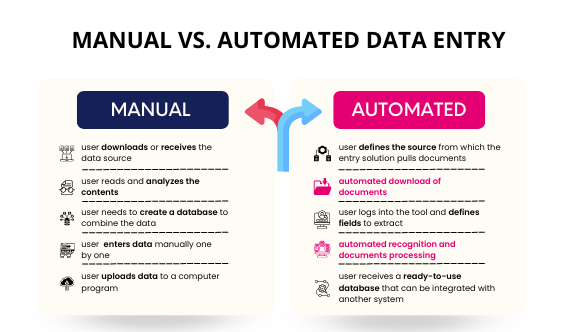
Data Management Services
- Research methodology services
- Sample Work
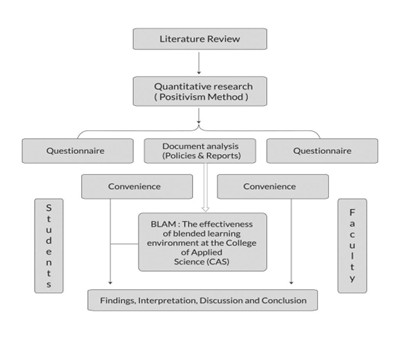
Research methodology services
- Tool Development Services
- Sample Work
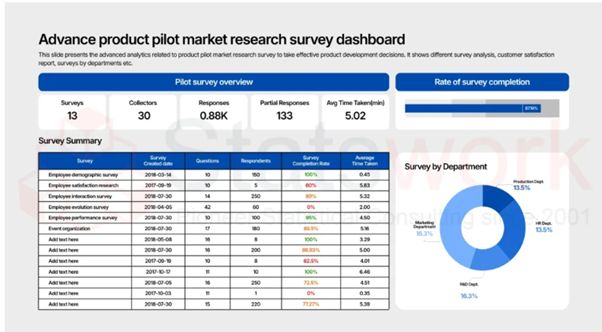
Tool development services
- Statistical Interpretation services
-
Statistical Interpretation services
- Sample Work
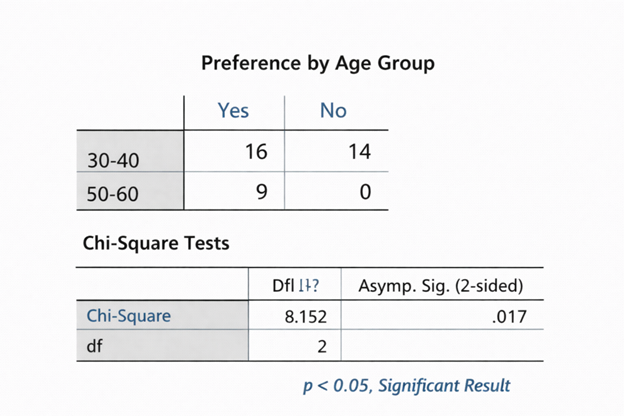
Statistical Interpretation services
-
- Sample Size Calculation Services
-
Sample Size Calculation Services
- Sample Work
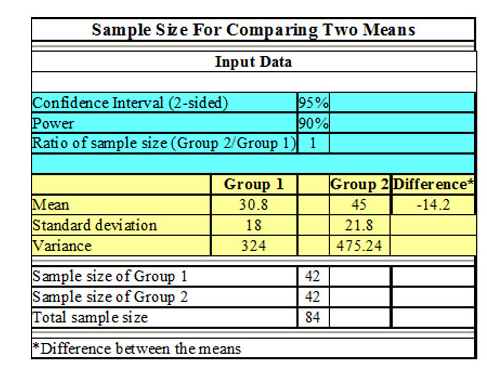
Sample Size Calculation Services
-
- AI & ML Services
-
Artificial Intelligence and Machine Learning Services
- Sample Work
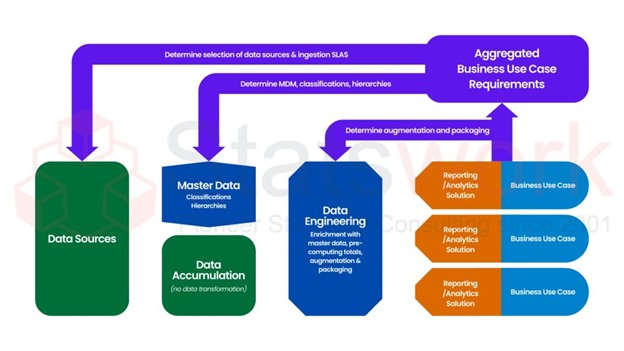
Artificial Intelligence and Machine Learning Services
-
- Meaningful Visualization Services
- Thought Leadership Services
- Report Generation Services
-
Report generation Service
- Sample Work
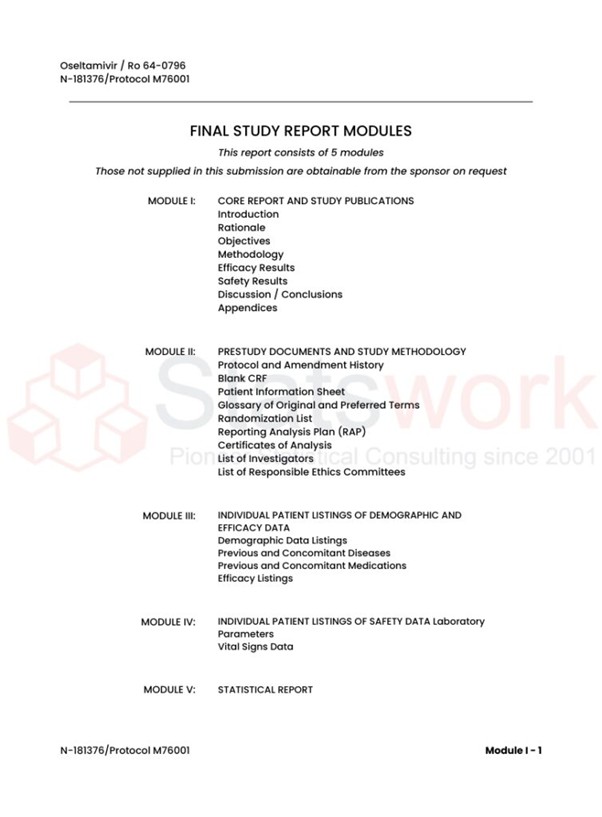
Report generation Services
-
- Data Analysis services
- Industries
- About Us
- Blog
- Insights
- Contact Us
- Services
- Data Analysis services
- Sample Work
Data Analysis services
- Secondary Qualitative Research Services
- Secondary Quantitative Research Services
- Meta-Analysis Research services
- Sample Work
Meta-Analysis Research Services
- Data Collection Services
- Sample Work
Data Collection Services
- Statistical & Biostatistics services
- Sample Work
Statistical Programming & Biostatistics services
- Data Management Services
- Sample Work
Data Management Services
- Research methodology services
- Sample Work
Research methodology services
- Tool Development Services
- Sample Work
Tool development services
- Statistical Interpretation services
-
Statistical Interpretation services
- Sample Work
Statistical Interpretation services
-
- Sample Size Calculation Services
-
Sample Size Calculation Services
- Sample Work
Sample Size Calculation Services
-
- AI & ML Services
-
Artificial Intelligence and Machine Learning Services
- Sample Work
Artificial Intelligence and Machine Learning Services
-
- Meaningful Visualization Services
- Thought Leadership Services
- Report Generation Services
-
Report generation Service
- Sample Work
Report generation Services
-
- Data Analysis services
- Industries
- About Us
- Blog
- Insights
- Contact Us
Quantitative Techniques Shaping the Future of Decision Making
Meta Analysis Service
- Why Quantitative Techniques Matter for Business Analytics
- Core Quantitative Techniques for Enterprise Decision Support
- Real-World Applications: Business Forecasting in Action
- The Strategic Value of Outsourcing Quantitative Analysis
- Building Your Analytics Consulting Framework
- Making the Transition to Evidence-Based Decisions
- Next Steps: Request Your Quantitative Analysis Consultation
Recommended Reads
Contact us
Summary:
Quantitative techniques have evolved from a useful business practice into an important tool for evidence-based decision-making. Usage of approaches such as statistical analysis, forecasting and predictive modeling businesses can make better decisions and evaluate potential risks and opportunities. The competitive business environment rewards those who make decisions based on evidence and supported by advanced analytics consulting and statistical modeling expertise.
In the present competitive business environment, firms are confronted with a wide range of issues that require a more experienced and careful treatment than ever before. Thus, the ability to use quantitative data to make business decisions is one of the main skills distinguishing leading companies from the followers. Using quantitative data methods enables firms to collect and analyze data and information necessary for decision-making and predicting future outcomes.
This article discusses quantitative techniques for making business decisions.
Why Quantitative Techniques Matter for Business Analytics
Traditional decision-making is often based on intuition and experience, which can be subjective and prone to errors [1]. The process of making decisions with the help of quantitative analysis is an objective method in which calculations are used to make the decision.
Organizations adopting quantitative research services gain benefit from improved forecast accuracy, reduced costs and better alignment of departments.
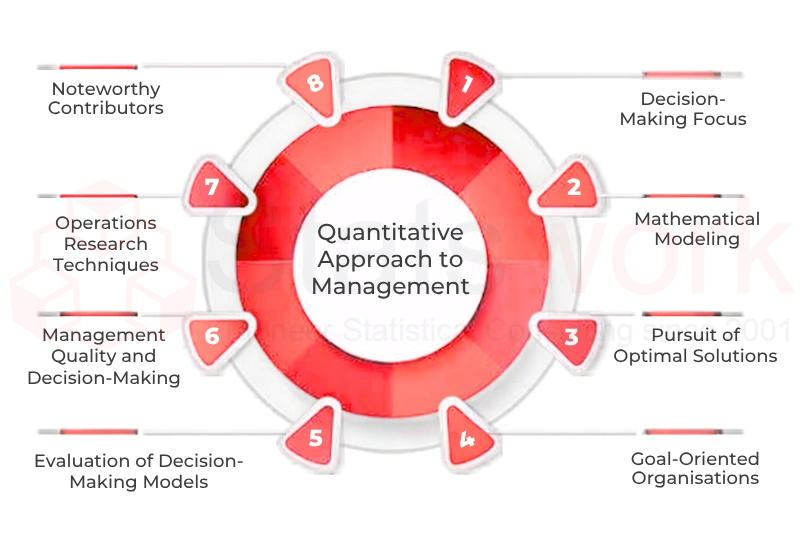
Core Quantitative Techniques for Enterprise Decision Support
1. Regression Analysis
Regression analysis helps organizations identify how variables influence business outcomes. By quantifying these relationships, companies can predict the impact of strategic changes—like pricing adjustments—on revenue and performance [2].
Application of the Method Benefit ROI
Pricing optimization according to demand elasticity Understanding how prices affect revenues from sales of the product. On average, it increases revenue.
2. Predictive Analytics & Statistical Modeling
Predictive analytics uses historical and current data to estimate future outcomes, identify patterns, and support business planning. Predictive analytics can help companies to predict market trends and customer behavior.
- Customer churn prediction can help companies identify at what point customers are at risk of stopping using their product or service
- Sales forecasting can help businesses estimate expected demand and revenue, while confidence intervals can indicate the precision of the estimates
- Inventory management can help prevent having too much or too little stock.

3. Risk Analysis & Decision Support Systems
Models of quantitative risk allow firms to quantify their risks and examine their potential outcomes under different circumstances.
Example: A certain company used Monte Carlo simulation to analyze its exposure to disruption in its supply chain and identify risks three months before any such issue occurred, Monte Carlo Simulation can Help Businesses in Modeling Uncertainty and Assessing Outcomes under Various Assumptions.
Real-World Applications: Business Forecasting in Action
| Industry | Quantitative Technique | Business Impact |
| Retail & E-commerce | Demand forecasting & regression analysis | reduction in inventory holding costs |
| Financial Services | Risk modeling & statistical analysis | Improved credit scoring accuracy |
| Healthcare & Pharmaceuticals | Predictive analytics & evidence-based analysis | Optimized clinical trial recruitment |
| Manufacturing | Process optimization & statistical modeling | Reduced defect rates |
These applications demonstrate how quantitative techniques can support decision-making across different industries [3].
The Strategic Value of Outsourcing Quantitative Analysis
Many companies are experiencing difficulties building their own analytical capabilities and outsourcing quantitative data analysis can provide many benefits.
- Working with statistical modelers, getting faster results
- more flexibility about meeting specific project needs
- having access to advanced analytical software and
- not having to worry about training in-house analysts.
Hiring quantitative data analysis services can help organizations get the business insights they need, without having to invest heavily in building their own analytical capabilities.
Key Insight for B2B Organizations
Businesses that use quantitative analysis methodically exhibit greater profit margins than their counterparts who utilize traditional techniques of decision making. Such a superiority is bound to increase every year as organizations become more proficient in their approach.
Building Your Analytics Consulting Framework
To benefit from analytics consulting, one needs to properly follow a certain order of the steps described:
- Clarify what business questions need answering
- Assess the data situation – what data is available and what needs to be done to obtain the necessary
- Pick the most relevant quantitative methods [2]
- Build and validate statistical models
- Implement conclusions and monitor results constantly
This way, every question will be addressed adequately, and the money spent on the quantitative research services will bring the needed rewards.
Making the Transition to Evidence-Based Decisions
The transition from intuitive decision-making to decisions based on facts requires both a dedicated approach and the right partner. Services related to quantitative analysis of statistics can help you with your task, as they help to interpret numerical data properly and obtain the necessary information [3].
Our company offers business-related quantitative analysis data which you may need for:
- constructing business forecasts for income;
- assessing risk analyses to optimize the work of the enterprise;
- implementing a complete algorithm of quantitative statistics;
- obtaining decision-making data for making the right choice;
Thus, the solution will remove all the consequences of quantitative analysis and provide you with high-level knowledge to achieve specific goals.
Next Steps: Request Your Quantitative Analysis Consultation
Ready to join industry leaders who use quantitative analytics to gain profit margin advantages over competitors? StatsWork’s quantitative research experts deliver customized solutions for your specific challenges—typically within 30 days.?
Our statistical research experts at StatsWork can assist you in obtaining quantitative research services to address your industry-related problems and meet your business objectives. We have a team of professional statistical analysts, data scientists, and business consultants that help you achieve your quantitative goals.
→ Request Your Free Consultation Today
Need support with a quantitative analysis or business research challenge? Our experts can help you select appropriate methods, analyze data, and translate findings into actionable insights
Frequently Asked Questions (FAQs)
Quantitative techniques for decision-making include statistical analysis, forecasting, regression analysis, probability analysis, and optimization methods that help businesses make data-driven decisions.
The seven steps are defining the problem, collecting data, organizing the data, analyzing the data, interpreting the results, evaluating alternatives, and making the final decision.
The seven types include descriptive, correlational, experimental, quasi-experimental, cross-sectional, longitudinal, and causal-comparative research.
Quantitative techniques are mathematical and statistical methods used to collect, analyze, and interpret numerical data for research and decision-making.
There is no single fixed number of quantitative techniques, but they commonly include descriptive statistics, inferential statistics, correlation, regression, hypothesis testing, and forecasting.
The five main phases are identifying the research problem, designing the study, collecting data, analyzing the data, and interpreting and reporting the findings.
References:
- Martins, M. R. (2025). Artificial Intelligence in business strategy: How AI driven analytics is reshaping decision making. International Journal of Humanities and Information Technology, 7(01), 63-71. https://ijhit.info/index.php/ijhit/article
- Ahirrao, Y. S., Ansari, I., Azim, K. S., Bhujel, K., & Panchal, S. S. (2025). AI-powered financial strategy: Transforming business decision-making through predictive analytics. The USA Journals TAJET, 7(09), 126-151. https://usajournal.net/index.php/
- Wu, M., Subramaniam, G., Li, Z., & Gao, X. (2025). Using AI technology to enhance data‐driven decision‐making in the financial sector.Artificial Intelligence‐Enabled Businesses: How to Develop Strategies for Innovation, 187-207. https://onlinelibrary.wiley.com/doi