
- Services
- Data Analysis services
- Sample Work
Data Analysis services
- Secondary Qualitative Research Services
- Secondary Quantitative Research Services
- Meta-Analysis Research services
- Sample Work
Meta-Analysis Research Services
- Data Collection Services
- Sample Work
Data Collection Services
- Statistical & Biostatistics services
- Sample Work
Statistical Programming & Biostatistics services
- Data Management Services
- Sample Work
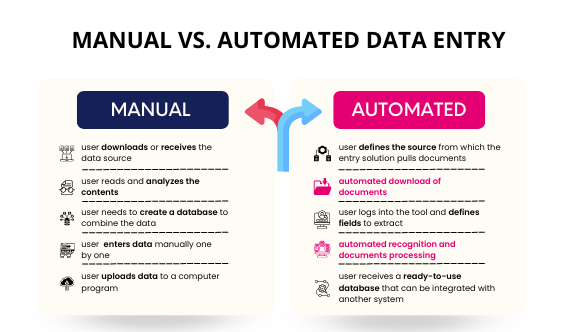
Data Management Services
- Research methodology services
- Sample Work
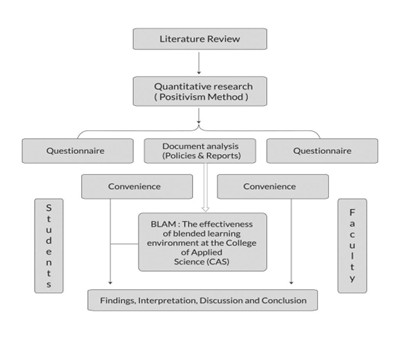
Research methodology services
- Tool Development Services
- Sample Work
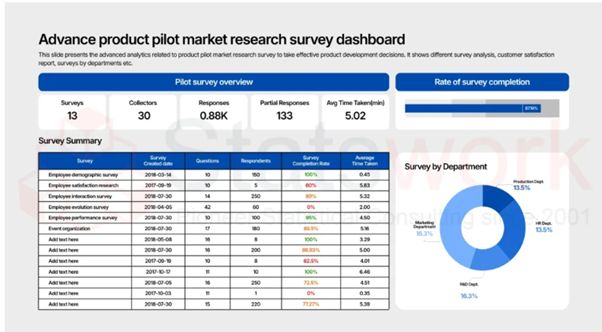
Tool development services
- Statistical Interpretation services
-
Statistical Interpretation services
- Sample Work
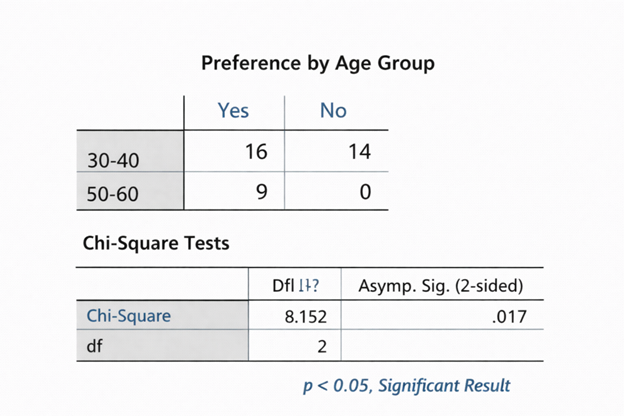
Statistical Interpretation services
-
- Sample Size Calculation Services
-
Sample Size Calculation Services
- Sample Work
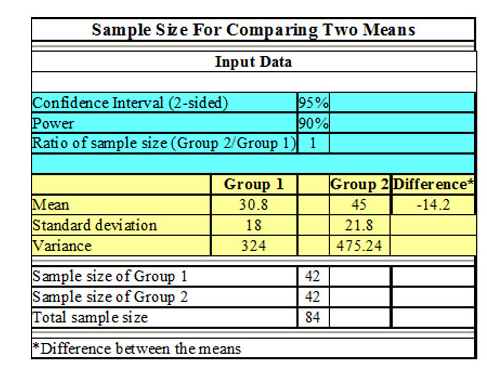
Sample Size Calculation Services
-
- AI & ML Services
-
Artificial Intelligence and Machine Learning Services
- Sample Work
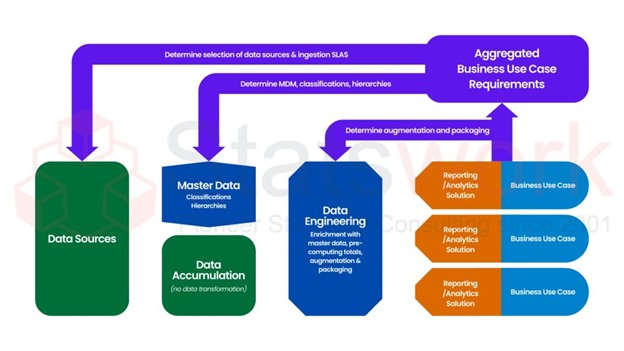
Artificial Intelligence and Machine Learning Services
-
- Meaningful Visualization Services
- Thought Leadership Services
- Report Generation Services
-
Report generation Service
- Sample Work
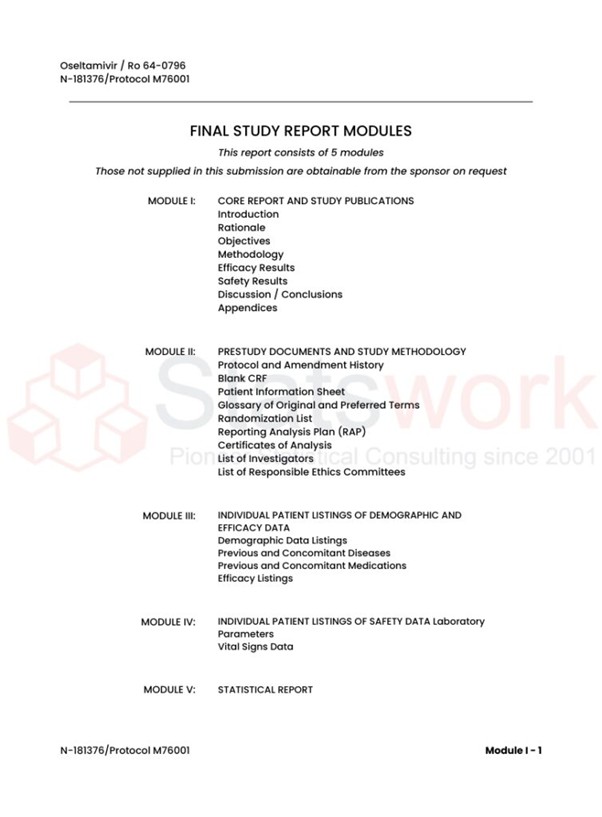
Report generation Services
-
- Data Analysis services
- Industries
- About Us
- Blog
- Insights
- Contact Us
- Services
- Data Analysis services
- Sample Work
Data Analysis services
- Secondary Qualitative Research Services
- Secondary Quantitative Research Services
- Meta-Analysis Research services
- Sample Work
Meta-Analysis Research Services
- Data Collection Services
- Sample Work
Data Collection Services
- Statistical & Biostatistics services
- Sample Work
Statistical Programming & Biostatistics services
- Data Management Services
- Sample Work
Data Management Services
- Research methodology services
- Sample Work
Research methodology services
- Tool Development Services
- Sample Work
Tool development services
- Statistical Interpretation services
-
Statistical Interpretation services
- Sample Work
Statistical Interpretation services
-
- Sample Size Calculation Services
-
Sample Size Calculation Services
- Sample Work
Sample Size Calculation Services
-
- AI & ML Services
-
Artificial Intelligence and Machine Learning Services
- Sample Work
Artificial Intelligence and Machine Learning Services
-
- Meaningful Visualization Services
- Thought Leadership Services
- Report Generation Services
-
Report generation Service
- Sample Work
Report generation Services
-
- Data Analysis services
- Industries
- About Us
- Blog
- Insights
- Contact Us
Confused Between a Systematic Review and Meta-Analysis?
Meta Analysis Service
Recommended Reads
Contact us
Summary:
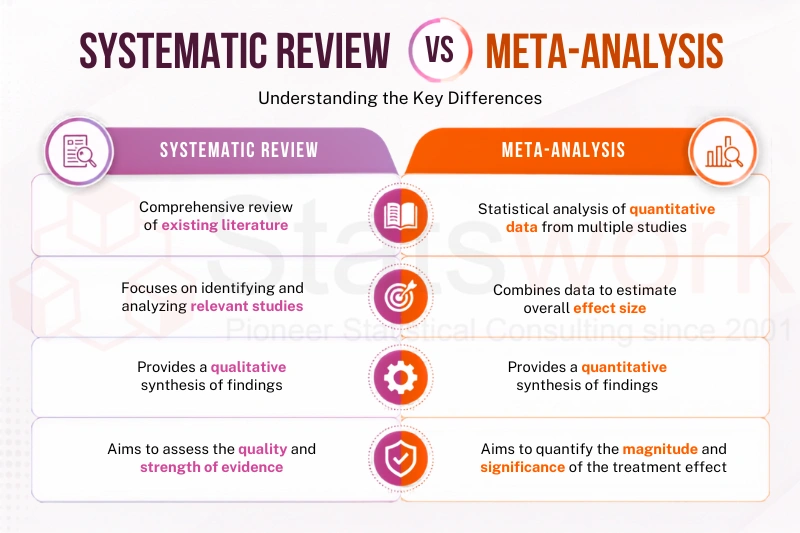
A systematic review is considered a type of literature review; on the other hand, a meta-analysis is a statistical combination of similar quantitative studies to determine overall results. Therefore, the choice between a systematic review and a meta-analysis is based on a research question, designs of the study, available data, and degree of similarity between the compared studies. Both can be used to achieve a thorough analysis resulting in more accurate conclusions for the basis of evidence-based practice.
For evidence synthesis and research, the terms “systematic review” and “meta-analysis” are sometimes used interchangeably; however, they refer to fundamentally different methods of reviewing and analyzing the literature. For a researcher, academician, or institution involved in evidence synthesis, it is essential to be aware of the differences between these two terms when deciding on the most appropriate approach to synthesis.
Below, a guide to interpret the distinction between the concepts of a systematic review and a meta-analysis has been prepared for you.
Quick Comparison: Systematic Review vs Meta-Analysis
| Aspect | Systematic Review | Meta-analysis |
| Definition | Systematic review done using predetermined criteria | Statistical analysis and combination of data from various studies |
| Approach | Qualitative analysis of the information | Quantitative analysis of the information |
| Data Combination | Narrative summary | Statistical combining of data (numbers based) |
| Necessity | A mandatory part of all systematic reviews | An optional part of a systematic review |
| Level of difficulty | Medium | High (statistical skills are needed) |
| Minimum number of subjects required | Function with few studies | At least two similar studies |
| Output | Evidence quality summary | Combined effect size with confidence intervals |
| Scope | “What do we know from the literature?” | “What is the combined effect?” |
Understanding Systematic Reviews
What Is a Systematic Review?
Systematic review refers to a literature review which uses systematic methods for the synthesis of research evidence for a given topic. It gives a complete view of the research problem since it evaluates all existing studies. Systematic reviews involve a systematic search of literature and critical appraisal of studies and findings [1].
Characteristics of a Systematic Review
The main features of a systematic review are as follows:
- Prospectively registered protocol
- Intends to identify all relevant studies which have been systematically researched
- Quality assessment of included studies using GRADE or Cochrane risk of bias tool
- Data synthesis usually involves narrative synthesis
- PRISMA reporting standards must be followed
Indications for a Systematic Review
Some of the indications for a systematic review are as follows:
- Wide range of study design
- Broad research question
- Need for evidence-based overview of a particular field of study
- Need to evaluate multiple interventions
- Need for a scoping review to map the literature landscape
- Will inform the development of clinical practice guidelines
Example: A systematic review examining different psychotherapy approaches for anxiety disorders across various populations, study durations, and outcome measures. Here, narrative synthesis effectively synthesizes qualitative and quantitative findings without forced statistical pooling.
Understanding Meta-Analysis
What is a meta-analysis?
Meta-analysis is a statistical tool used to combine quantitative results from independently conducted studies to obtain more accurate overall estimations of variables than those determined by a single study.
The key characteristics of a meta-analysis include:
- Statistical combination of quantitative results from multiple independent studies
- Calculation of weights and confidence intervals
- Estimation of overall heterogeneity levels (I² statistic)
- Investigation of possible sources of heterogeneity
- Increased precision and statistical power over individual studies due to larger sample sizes
When might you perform a meta-analysis?
A meta-analysis may be performed if the question posed by the study is focused on a particular issue for which a quantitative result is needed, and there is more than one comparable result from different studies performed independently addressing the same question.
Therefore, a meta-analysis is indicated when:
- population group, intervention, and outcomes are similar;
- the results are presented in quantitative form;
- There is enough similar articles (preferably 5 or more) [2].
Example: A meta-analysis combining randomized controlled trials (RCTs) testing a specific antihypertensive medication across different populations. All studies measure blood pressure reduction (mmHg) with comparable methodologies, allowing statistical pooling for a definitive effect estimate.
Key Differences in Research Methodology
1. Approach to Evidence Synthesis
Systematic review: It uses the narrative synthesis to describe, classify, and explain the results. It is recommended when the results are complex and multifaceted.
Meta-analysis: Rely on quantitative synthesis that involves pooling the data together to calculate an overall statistical estimate of the results.
2. Data Requirements
| Factor | Systematic Review | Meta-Analysis |
| Number of Studies | At least 2 (preferably 3 or more) | At least 2 similar studies |
| Type of Data | Heterogeneous (qualitative and quantitative) | Mostly quantitative |
| Heterogeneity | Tolerant high levels of heterogeneity | Not tolerant to heterogeneity; tests for heterogeneity are |
3. PRISMA Guidelines Compliance
Both procedures must adhere to the PRISMA standards of transparency and reproducibility:
- Protocol Registration: Protocol registration before study is done
- Search Strategy: Databases searches with effective reproducible strategy
- Study Selection: Dual screening of results and risk of bias
- Reporting: Methods section detailing rationale
Can You Combine Both Approaches?
Yes! A systematic review with a meta-analysis is the best type of review. This is because it has both
- the methodological rigor of a systematic review and
- the power of a meta-analysis. In addition,
- it allows for the combination of qualitative and quantitative evidence and
- maximizes the impact of the review on evidence-based practice.
Furthermore, most systematic reviews that have been published in the healthcare field include a meta-analysis of the data if it is appropriate [3].
Selecting the Right Approach for Your Research
When to Use a Systematic Review Only:
- There is a variety of study designs
- There is a diverse population
- There is a variety of outcomes
- There is no consistent data that may be combined by using an average or some other form of statistical analysis
- The study is of an exploratory nature involving narrative synthesis
- There is many different forms of evidence, both qualitative and quantitative
When to Use a Systematic Review + Meta-analysis:
- There are several studies that are like each other based on design or outcome
- There is quantitative data among the studies
- The nature of the research requires estimates of effect size
- The nature of the clinical decision requires estimates of effect size [4]
Conclusion: Ready to Transform Your Research?
The systematic review vs meta-analysis distinction is fundamental to research methodology. While systematic reviews provide comprehensive evidence synthesis through rigorous methodology, meta-analyses offer statistical precision through quantitative data integration. The optimal approach depends on your research objectives, data availability, and study homogeneity.
Statswork’s Meta-Analysis Service empowers researchers and institutions to transform raw evidence into actionable insights. Our expert team specializes in designing and executing rigorous meta-analyses aligned with PRISMA guidelines, ensuring your research outcomes are statistically sound, methodologically robust, and publication ready. Whether you require comprehensive systematic reviews, advanced meta-analytic techniques, or integrated evidence synthesis, Statswork delivers excellence in research methodology with proven expertise across healthcare, education, social sciences, and beyond.
Transform your research vision into credible, impactful evidence today. Partner with Statswork for professional meta-analysis and evidence synthesis services that elevate your research to publication standards.
Frequently Asked Questions (FAQs)
A systematic review provides a structured and comprehensive synthesis of existing research, whereas a meta-analysis statistically combines quantitative results from multiple comparable studies.
Common limitations include variation among study designs, heterogeneous populations and outcomes, differences in study quality, publication bias, and the possibility that some relevant studies may be missed.
There is no difference because both terms refer to the same statistical method of combining quantitative results from multiple studies.
Meta-analysis is also referred to as quantitative synthesis or statistical synthesis of research findings.
The five main steps are defining the research question and protocol, conducting a systematic literature search, screening and selecting studies, assessing study quality and risk of bias, and synthesizing and reporting the findings.
Limitations of meta-analysis include heterogeneity between studies, differences in study quality and methodologies, publication bias, and the risk of misleading results when dissimilar studies are statistically combined.
References:
- Kushara, M. K. F., Morad, M. A. S., Saddiq, M. B. W. B., Almohammed, M. H. A. J., Aldawasri, M. W. A., Aljuaid, M. R. W., … & Alturkistani, M. S. A. (2026). Indocyanine Green Fluorescent Cholangiography in Laparoscopic Cholecystectomy: A Systematic Review and Meta-analysis. Journal of Surgical Research, 326, 589-602. https://www.sciencedirect.com/
- Mendez-Romero, J., Mello-Roman, J. C., Villasanti, U., Niederberger, A. L. G., Gaona, M. I. F., Noguera, J. L. V., … & Torres, M. G. (2026). Diagnostic Accuracy of Artificial Intelligence Models for Orthodontic Extraction Decisions: A Systematic Review and Meta-Analysis. Intelligence-Based Medicine, 100401. https://www.sciencedirect.com/science
- Osorio-Durán, E. M., de-Ávila, M. L., Rojas-Reyes, J., Cañon-Montañez, W., & Rodríguez-Acelas, A. L. (2026). Spirituality in nursing professionals working in critical health care settings: Systematic review and meta-analysis. Enfermería Intensiva (English ed.), 37(3), 500606. https://www.sciencedirect.com
- Shaban, A., Zaki, H. A., Ponappan, B., Shaban, E. E., Shaban, A., & Abosamak, M. F. (2026). Prevalence of non-convulsive status epilepticus in adults presenting with altered mental status: a systematic review and meta-analysis. Seizure: European Journal of Epilepsy. https://www.sciencedirect.com/science