
- Services
- Data Analysis services
- Sample Work
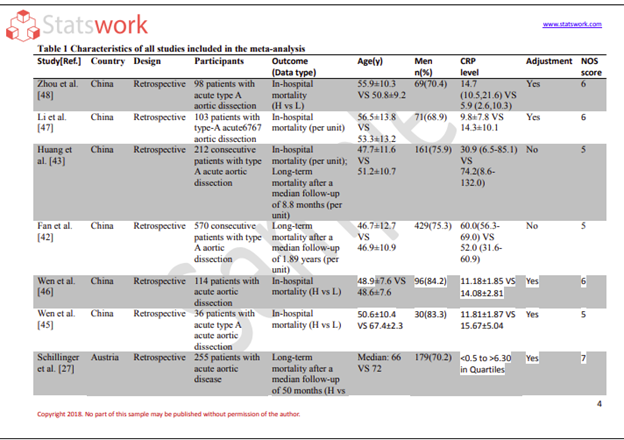
Data Analysis services
- Secondary Qualitative Research Services
- Secondary Quantitative Research Services
- Meta-Analysis Research services
- Sample Work
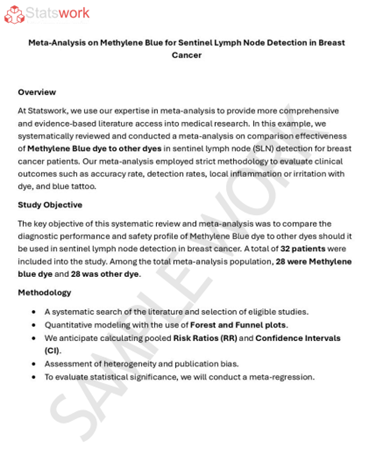
Meta-Analysis Research Services
- Data Collection Services
- Sample Work
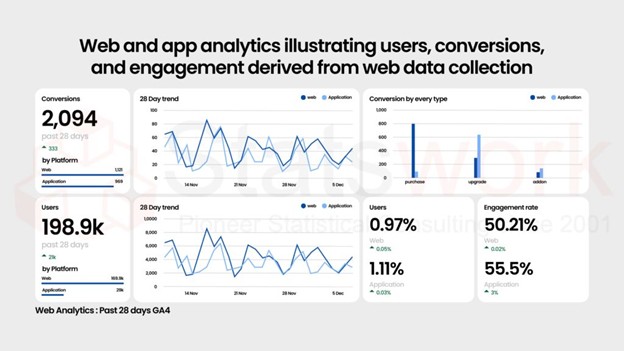
Data Collection Services
- Statistical & Biostatistics services
- Sample Work
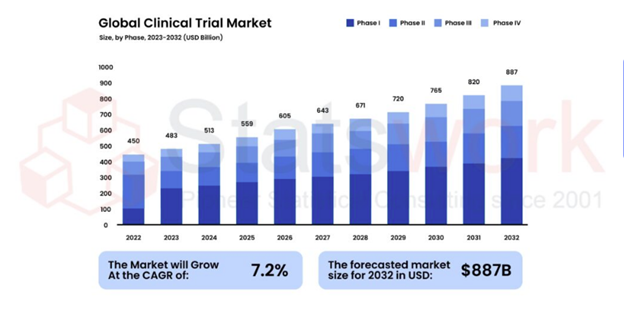
Statistical Programming & Biostatistics services
- Data Management Services
- Sample Work
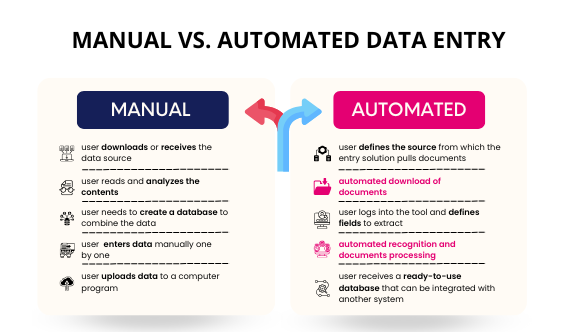
Data Management Services
- Research methodology services
- Sample Work
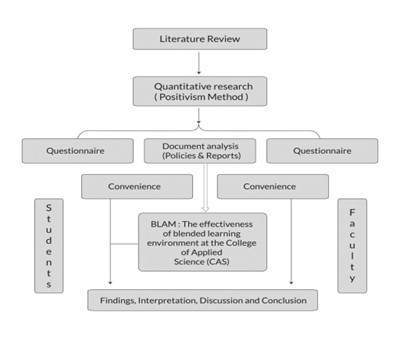
Research methodology services
- Tool Development Services
- Sample Work
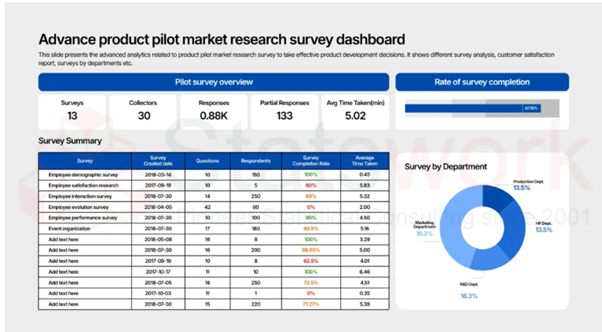
Tool development services
- Statistical Interpretation services
-
Statistical Interpretation services
- Sample Work
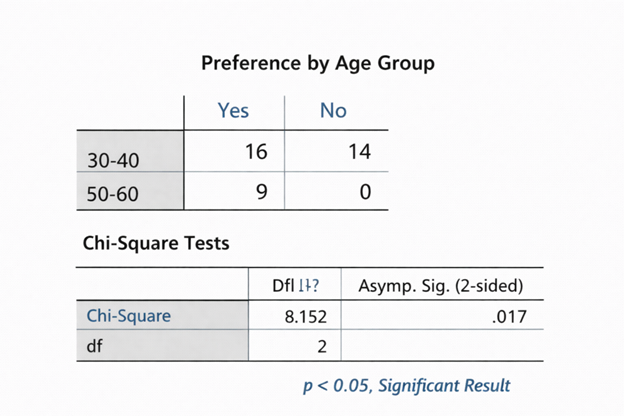
Statistical Interpretation services
-
- Sample Size Calculation Services
-
Sample Size Calculation Services
- Sample Work
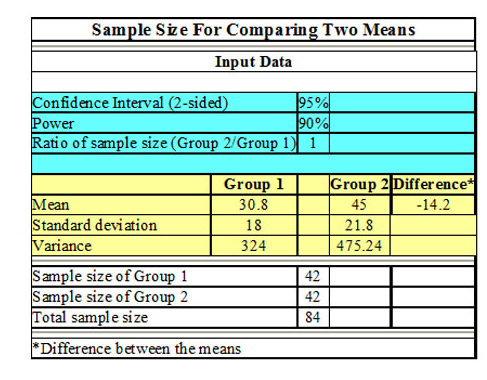
Sample Size Calculation Services
-
- AI & ML Services
-
Artificial Intelligence and Machine Learning Services
- Sample Work
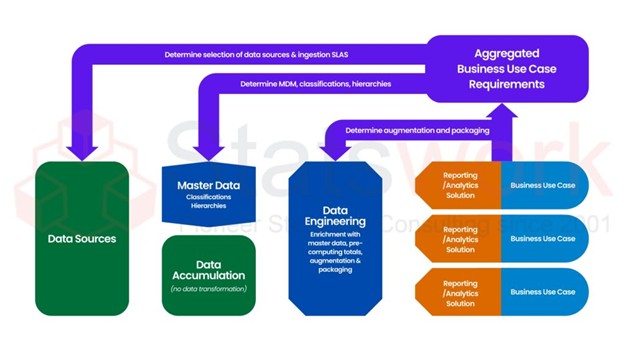
Artificial Intelligence and Machine Learning Services
-
- Meaningful Visualization Services
- Thought Leadership Services
- Report Generation Services
-
Report generation Service
- Sample Work
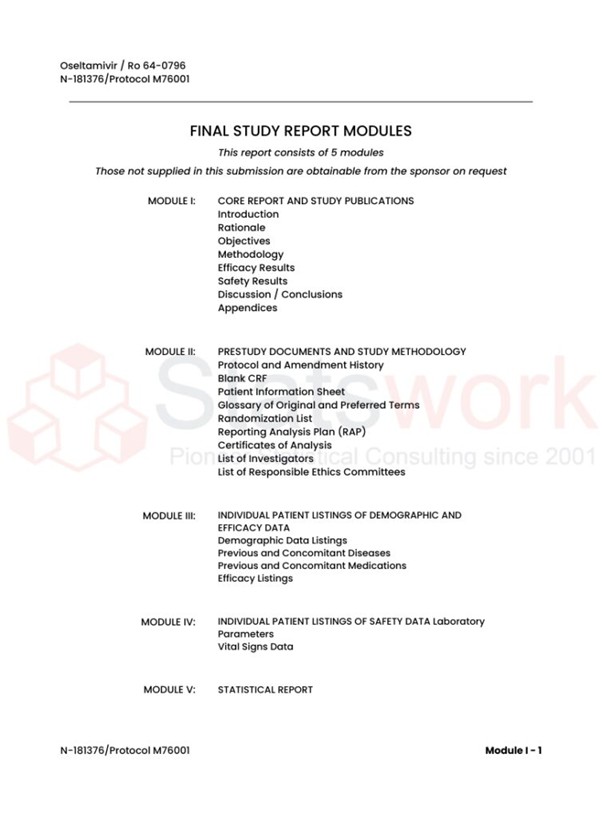
Report generation Services
-
- Data Analysis services
- Industries
- About Us
- Blog
- Insights
- Contact Us
- Services
- Data Analysis services
- Sample Work
Data Analysis services
- Secondary Qualitative Research Services
- Secondary Quantitative Research Services
- Meta-Analysis Research services
- Sample Work
Meta-Analysis Research Services
- Data Collection Services
- Sample Work
Data Collection Services
- Statistical & Biostatistics services
- Sample Work
Statistical Programming & Biostatistics services
- Data Management Services
- Sample Work
Data Management Services
- Research methodology services
- Sample Work
Research methodology services
- Tool Development Services
- Sample Work
Tool development services
- Statistical Interpretation services
-
Statistical Interpretation services
- Sample Work
Statistical Interpretation services
-
- Sample Size Calculation Services
-
Sample Size Calculation Services
- Sample Work
Sample Size Calculation Services
-
- AI & ML Services
-
Artificial Intelligence and Machine Learning Services
- Sample Work
Artificial Intelligence and Machine Learning Services
-
- Meaningful Visualization Services
- Thought Leadership Services
- Report Generation Services
-
Report generation Service
- Sample Work
Report generation Services
-
- Data Analysis services
- Industries
- About Us
- Blog
- Insights
- Contact Us
Struggling with Data Collection in Pharmaceutical Research?
Meta Analysis Service
Recommended Reads
Contact us
Summary:
Effective pharmaceutical research requires the proper collection of data for reliable clinical research. A combination of qualitative and quantitative techniques together with methods like EDC may help in enhancing data accuracy, reliability, and consistency. Statswork helps in collecting and managing data for pharmaceutical and clinical research.
Quality pharmaceutical research requires reliable data collection. From Phase II clinical trials to post-marketing surveillance, high-quality data supports reliable results, patient safety, and regulatory decision-making. Accurate data also strengthens study credibility and supports regulatory submissions.
The Statswork Company offers data collection, data management, and data analysis services to pharmaceuticals and clinical research firms. Data collection consists of developing clear protocols, appropriate validated tools, and quality controls in addition to documentation.
Let’s look at the effective ways for improving both qualitative and quantitative data collection in pharmaceutical studies.
Understanding Data Collection in Pharma Research
Pharmaceutical research commonly uses both qualitative and quantitative data to provide complementary insights into treatment outcomes, patient experiences, and clinical effectiveness.
- Qualitative Data: Patient experiences, treatment perceptions, and healthcare provider observations.
- Quantitative Data: Laboratory results, dosage measurements, clinical outcomes, and statistical data [1].
| Data Type | Function | Example |
| Qualitative | Explanation and context | Information from patients about adverse effects |
| Quantitative | Measurement and validation | Biomarker measurements, effectiveness rates |
| Hybrid approach | Insight in its totality | Why and how well a particular medication works |
Strategies for Qualitative Data Collection
1. Structured patient interviews
Use structured or semi-structured interview guides to collect consistent and detailed information.
Example: A pharmacovigilance study may use semi-structured interviews to explore patients’ experiences with adverse effects and treatment-related lifestyle changes, to gather information on how they have adapted to lifestyle changes.
Tips for best practices:
- Interviewers should be trained to maintain consistency
- Use appropriate open- and closed-ended questions.
- Verbatim information should be recorded for accuracy purposes
- Quality assurance should be conducted [2]
2. Focus groups and case studies
Use groups of patients and/or health care providers to examine the effects of the drugs.
Example: A pharmaceutical company manufacturing drugs for diabetic patients uses the focus groups of endocrinologists to evaluate the barriers to treatment.
3. Electronic health records (EHRs)
Use clinical documentation to gain information without causing additional stress to the patients.
Example: Extract information from EHRs on effectiveness of medications and complications for one year.
Strategies for Quantitative Data Collection
1. Automated Lab Integration
Connect directly with laboratory information systems to capture precise, error-free measurements.
| Advantage | Effect |
| Eliminates manual input mistakes | Reduces manual data-entry errors and improves data consistency. |
| Real-time data capture | Facilitates quicker decision making |
| Conformity with audit trails | Helps in filing regulatory documentation |
| Reduces costs | Improves operational efficiency |
2. Digital Health Monitoring
Use wearables and mobile apps to collect continuous physiological data.
Example: A hypertension drug trial using smartwatches to track blood pressure readings 4x daily across 500 participants—capturing more data points than traditional clinic visits [3].
1. Select proven EDC systems to meet the data entry standards.
Key benefits:
- Compliance with HIPAA and GDPR
- Validation standards will ensure that there are no blank fields
- Capability of tracking the entered information
- Convenient documentation for regulations
Best Practices for Integrated Data Collection
1. Train Your Teams Thoroughly
Invest in comprehensive training programs covering protocol adherence, patient safety, and data standards. Comprehensive training helps research teams follow protocols consistently and reduce avoidable data-quality issues.
2. Implement Quality Assurance Checkpoints
| Checkpoints | Period | Areas of Focus |
| Source data validation | Weekly | Accuracy with original documents |
| Data completeness assessment | Bi-weekly | Missing or unclear fields |
| Data consistency checks | Monthly | Data alignment between sites |
| Compliance assessment | Quarterly | Requirement compliance |
3. Clearly Outline the Governance of Data
Clearly define roles, responsibilities, and decision-making processes to avoid any confusion that might arise [4].
4. Employ Integrated Information Technologies
Integration of systems using EHR, EDC, and analytics technologies is essential for current pharmaceutical research.
5. Ensure Documentation
All data points must have some sort of documentation on source, data collector, timestamp, and validation status.
Real-World Example: Multi-Site Clinical Trial
Situation: Clinical trial testing drug efficacy in 12 sites and 1,200 patients.
Challenge: Inconsistent data collection practices resulted in substantial data-quality issues requiring additional validation and correction [3].
Solution implemented:
- EDC system covering 12 sites
- Monthly quality audits with assessment of each site separately
- Data governance committee in headquarters
- Automation of validation process decreasing number of manual corrections by 67%
Outcome: Standardized data collection and automated validation improved data consistency, reduced manual corrections, and supported more efficient study management.
Lessons Learned from This Case
Data integrity is essential in the pharmaceutical field. Using the combination of qualitative and quantitative tools, automation, and keeping high-quality standards, you will be able to:
- Reduce study timelines and costs
- Strengthen regulatory submissions
- Support improved patient safety outcomes
- Improve study credibility [4]
Ready to Optimize Your Pharmaceutical Research Data Collection?
Statswork provides data collection, data management, and analysis support for pharmaceutical and clinical research teams. Our experts can help develop structured data collection processes designed to improve data quality, consistency, and regulatory readiness. Whether you’re managing Phase I trials or post-marketing surveillance, our data collection experts can help you build protocols that deliver regulatory-grade results.
Let’s discuss your pharmaceutical research challenges. Contact our specialists today for a complimentary consultation.
Frequently Asked Questions (FAQs)
The major problems include high research and development costs, lengthy clinical trials, complex regulatory requirements, drug safety concerns, supply-chain challenges, pricing pressures, and difficulties in developing innovative treatments.
The seven steps include defining the research objectives, determining the required data, selecting the appropriate collection method, identifying the target population, developing data collection tools, collecting and validating the data, and organising the data for analysis.
The six main methods of data collection are surveys, interviews, observations, focus groups, experiments, and secondary data collection.
The four main data collection methods are surveys or questionnaires, interviews, observations, and secondary data collection.
The five primary data collection techniques are questionnaires, interviews, focus groups, observations, and experiments.
Common challenges include incomplete or inconsistent data, manual entry errors, differences between study sites, inadequate documentation, data integration issues, and compliance with applicable quality and regulatory requirements.
References:
- Khanna, I. (2012). Drug discovery in pharmaceutical industry: productivity challenges and trends. Drug discovery today, 17(19-20), 1088-1102. https://www.sciencedirect.com
- Gøtzsche, P. C. (2011). Why we need easy access to all data from all clinical trials and how to accomplish it. Trials, 12(1), 249. https://link.springer.com/article/10
- Wise, J., Möller, A., Christie, D., Kalra, D., Brodsky, E., Georgieva, E., … & Arlington, S. (2018). The positive impacts of real-world data on the challenges facing the evolution of biopharma. Drug discovery today, 23(4), 788-801. https://www.sciencedirect.com
- Lockery, J. E., Rigby, J., Collyer, T. A., Stewart, A. C., Woods, R. L., McNeil, J. J., … & ASPREE Investigator Group. (2019). Optimising medication data collection in a large-scale clinical trial. PLoS One, 14(12), e0226868. https://journals.plos.org/plosone