
- Services
- Data Analysis services
- Sample Work
Data Analysis services
- Secondary Qualitative Research Services
- Secondary Quantitative Research Services
- Meta-Analysis Research services
- Sample Work
Meta-Analysis Research Services
- Data Collection Services
- Sample Work
Data Collection Services
- Statistical & Biostatistics services
- Sample Work
Statistical Programming & Biostatistics services
- Data Management Services
- Sample Work
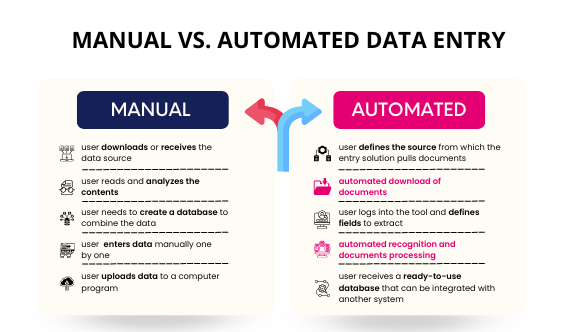
Data Management Services
- Research methodology services
- Sample Work
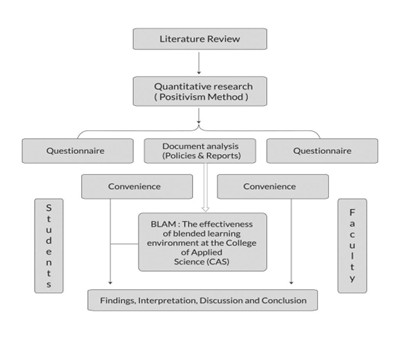
Research methodology services
- Tool Development Services
- Sample Work
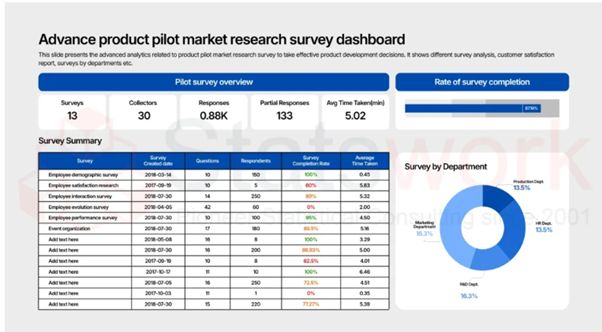
Tool development services
- Statistical Interpretation services
-
Statistical Interpretation services
- Sample Work
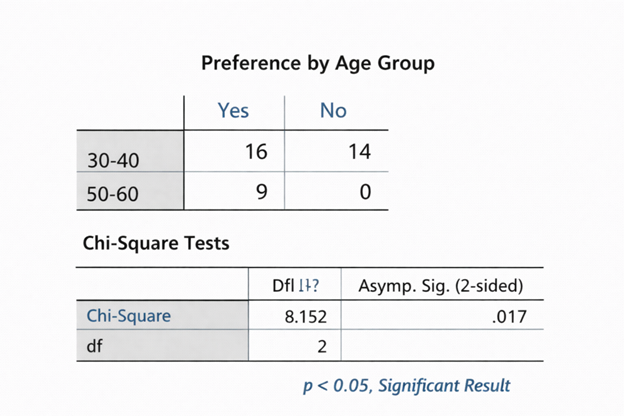
Statistical Interpretation services
-
- Sample Size Calculation Services
-
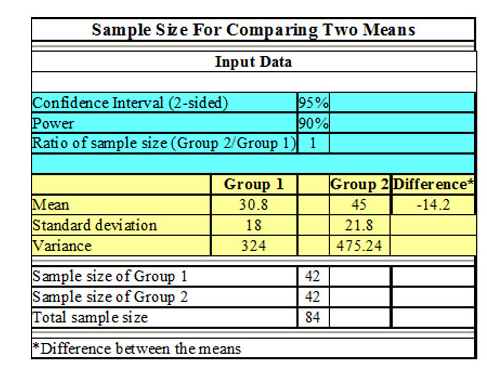
Sample Size Calculation Services
- Sample Work
Sample Size Calculation Services
-
- AI & ML Services
-
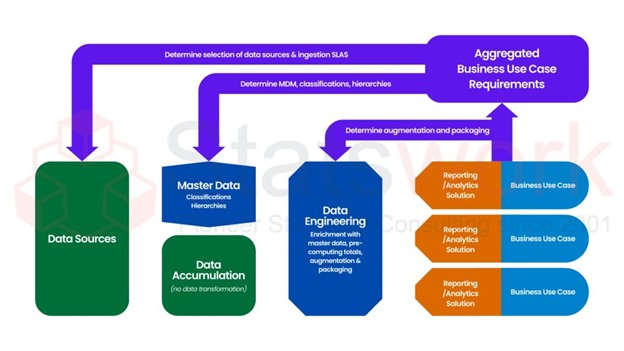
Artificial Intelligence and Machine Learning Services
- Sample Work
Artificial Intelligence and Machine Learning Services
-
- Meaningful Visualization Services
- Thought Leadership Services
- Report Generation Services
-
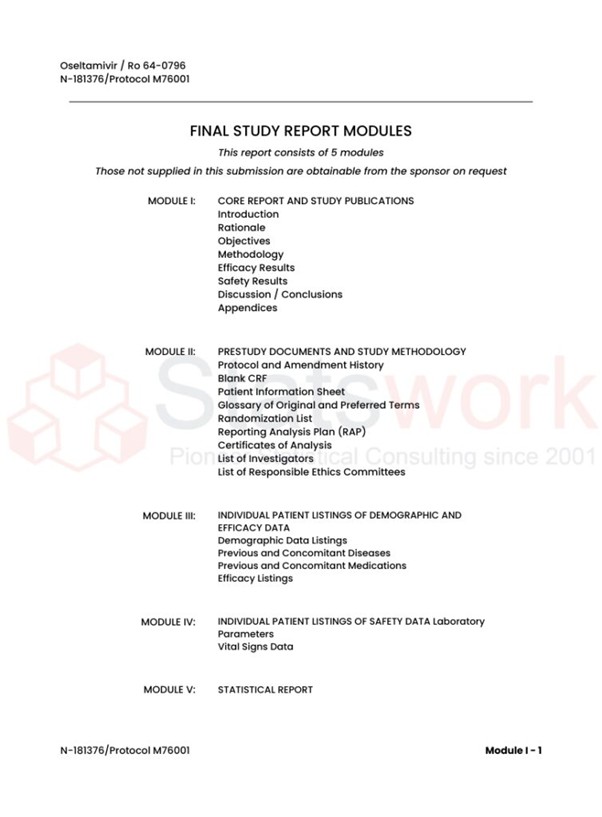
Report generation Service
- Sample Work
Report generation Services
-
- Data Analysis services
- Industries
- About Us
- Blog
- Insights
- Contact Us
- Services
- Data Analysis services
- Sample Work
Data Analysis services
- Secondary Qualitative Research Services
- Secondary Quantitative Research Services
- Meta-Analysis Research services
- Sample Work
Meta-Analysis Research Services
- Data Collection Services
- Sample Work
Data Collection Services
- Statistical & Biostatistics services
- Sample Work
Statistical Programming & Biostatistics services
- Data Management Services
- Sample Work
Data Management Services
- Research methodology services
- Sample Work
Research methodology services
- Tool Development Services
- Sample Work
Tool development services
- Statistical Interpretation services
-
Statistical Interpretation services
- Sample Work
Statistical Interpretation services
-
- Sample Size Calculation Services
-
Sample Size Calculation Services
- Sample Work
Sample Size Calculation Services
-
- AI & ML Services
-
Artificial Intelligence and Machine Learning Services
- Sample Work
Artificial Intelligence and Machine Learning Services
-
- Meaningful Visualization Services
- Thought Leadership Services
- Report Generation Services
-
Report generation Service
- Sample Work
Report generation Services
-
- Data Analysis services
- Industries
- About Us
- Blog
- Insights
- Contact Us
Why Accurate Data Collection Services Are the Backbone of Every Successful Research Project
Qualitative Research Service
News & Trends
Recommended Reads
Contact us
Summary:
Proper data collection is vital for any research project and business decisions. The professional Data Collection Services will provide you with data collection services by employing means such as survey, interview, focus group and secondary research. With their assistance you will be able to make sound decisions because of accurate data that they provide.
Any effective business decision and successful result of research starts from one thing – correct data collection. In the absence of structured and validated data, no matter how sophisticated the tools of analysis used, the results obtained will be incorrect. For this reason, professional Data Collection Services have become an indispensable expense for many companies [1].
What Are Data Collection Services?
Data Collection Services can be defined as the methodological process through which data is collected, organized, verified, and managed from different sources, both primary and secondary. The aim of such services is not only to ensure the accuracy of data but also its organization and readiness for further analysis.
Modern Data Collection and Mining Services include much more than just surveying. These services cover interviews, focus groups, online data collecting, face-to-face methods, and secondary research through journals and databases [2].
Primary vs. Secondary Data Collection: A Quick Comparison
Understanding which method suits your project is the first step toward collecting meaningful data.
| Feature | Primary Data Collection | Secondary Data Collection |
|---|---|---|
| Source | Directly from respondents | Existing reports, journals, databases |
| Data Type | Raw, first-hand information | Pre-existing, compiled data |
| Examples | Surveys, interviews, focus groups | Government reports, published studies |
| Cost | Higher (field effort required) | Lower (already available) |
| Customization | Fully tailored to research needs | Limited to available data |
| Time Required | Longer | Faster |
For example, a healthcare company studying patient satisfaction would use Primary Data Collection through structured interviews, while a financial firm benchmarking industry trends would rely on Secondary Quantitative Data Collection Services using published market reports [3].
Common Data Collection Methods and Their Use Cases
Choosing the right data collection method depends on your research goals, audience, and timeline. Here is a practical overview:
| Method | Best For | Example |
|---|---|---|
| Online Surveys | Large-scale quantitative research | Customer satisfaction surveys for e-commerce brands |
| Interviews | In-depth qualitative insights | Employee feedback collection for HR studies |
| Focus Groups | Consumer behaviour and opinion research | Product testing for FMCG companies |
| Face-to-Face Collection | High-accuracy field research | Door-to-door data gathering for census projects |
| Secondary Research | Literature reviews and meta-analysis | Academic systematic reviews using published journals |
Each of these methods requires specialized tools, skilled professionals, and a structured data management framework to deliver research-ready outputs.
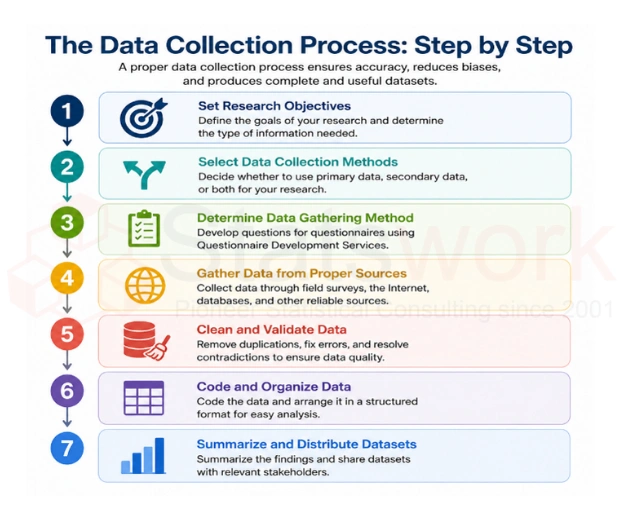
The Data Collection Process: Step by Step
A proper data collection process will prevent all mistakes, reduce biases, as well as guarantee that the dataset will be complete and useful. This process usually includes the following steps:
- Setting research objectives and determining the type of information needed
- Selecting the methods of collecting the data: primary, secondary, or both
- Determining the method of data gathering: developing questions for questionnaires using Questionnaire Development Services [4]
- Gathering the data from the proper sources: field surveys, the Internet, and databases
- Cleaning and validating the data by removing duplications and contradictions
- Coding and arranging the data
- Summarizing and distributing datasets
Neglecting any of these steps can ruin the entire process of research.
Industries That Rely on Professional Data Collection
Structured Data Collection and its Benefits for Organizations of All Sizes:
- Hospitality — patient information, clinical trials data, epidemiological studies
- Education — educational surveys, students’ achievements information, institutional research
- Retailing and Online shopping — customer behavior studies, purchase behavior tracking
- Banking and Finance — market information, risk assessment data
- Marketing — target group classification, performance analysis of marketing campaigns
Conclusion
The success or failure of your research, market study or creation of AI training dataset would completely depend on the quality of data [4]. The Professional Data Collection Services can guarantee that all your collected data is not only precise but also structured according to your research requirements right from the first day.
If you are looking for comprehensive and professional assistance in all aspects of the process of data collection, we have got the perfect solution. Statswork provides complete Data Collection Services including surveys, interviews, and much more. We help our clients and researchers with Data Management and qualitative research services as well.
Reference
- Schwing, F. B. (2023). Modern technologies and integrated observing systems are “instrumental” to fisheries oceanography: A brief history of ocean data collection. Fisheries Oceanography, 32(1), 28-69.https://onlinelibrary.wiley.com/doi/full/10.1111/fog.12619v
- Lavrinovica, I., Judvaitis, J., Laksis, D., Skromule, M., & Ozols, K. (2024). A comprehensive review of sensor-based smart building monitoring and data gathering techniques. Applied Sciences, 14(21), 10057.https://www.mdpi.com/2076-3417/14/21/10057
- Ghanad, A. (2023). An overview of quantitative research methods. International journal of multidisciplinary research and analysis, 6(08), 3794-3803.https://www.researchgate.net/profile/Anahita-Ghanad/publication/373370007_An_Overview_of_Quantitative_Research_Methods/links/67b28ffc645ef274a48341a1/An-Overview-of-Quantitative-Research-Methods.p
- El-Agamy, R. F., Sayed, H. A., AL Akhatatneh, A. M., Aljohani, M., & Elhosseini, M. (2024). Comprehensive analysis of digital twins in smart cities: a 4200-paper bibliometric study. Artificial Intelligence Review, 57(6), 1.https://openurl.ebsco.com/EPDB%3Agcd%3A