
- Services
- Data Analysis services
- Sample Work
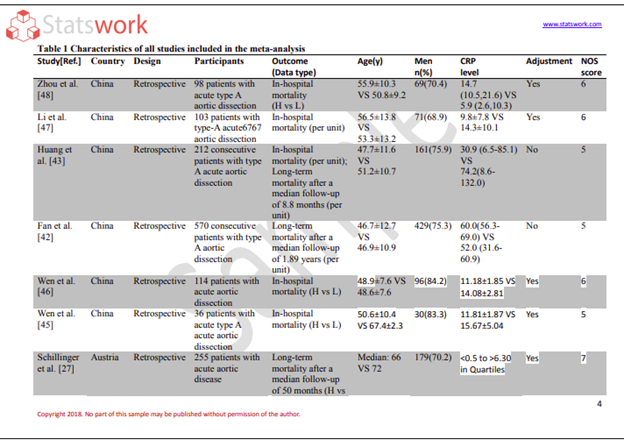
Data Analysis services
- Secondary Qualitative Research Services
- Secondary Quantitative Research Services
- Meta-Analysis Research services
- Sample Work
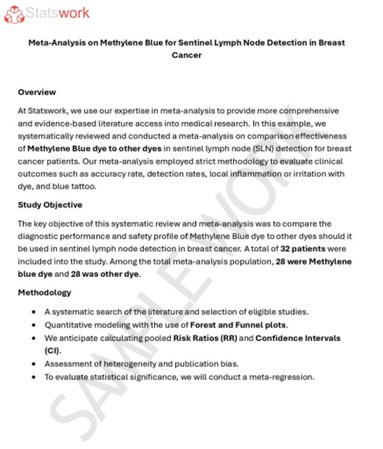
Meta-Analysis Research Services
- Data Collection Services
- Sample Work
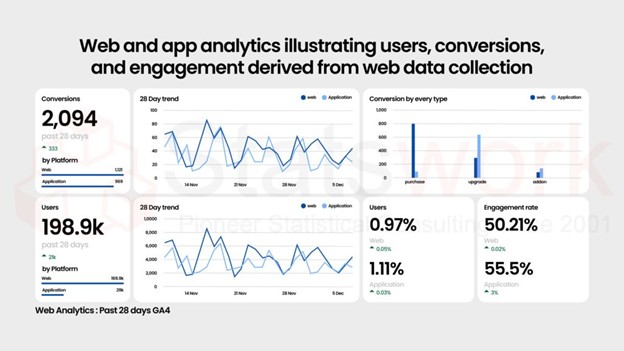
Data Collection Services
- Statistical & Biostatistics services
- Sample Work
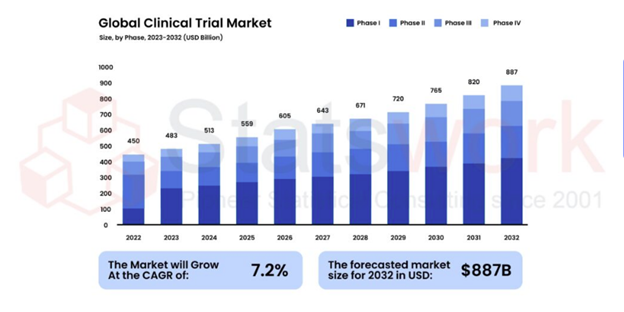
Statistical Programming & Biostatistics services
- Data Management Services
- Sample Work
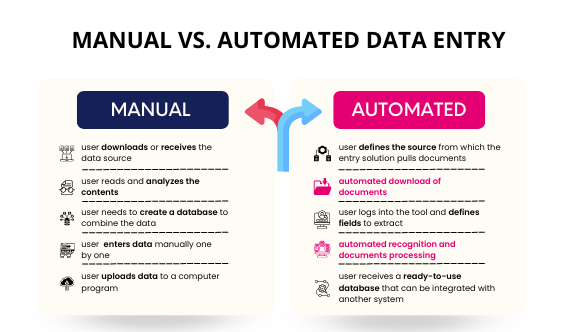
Data Management Services
- Research methodology services
- Sample Work
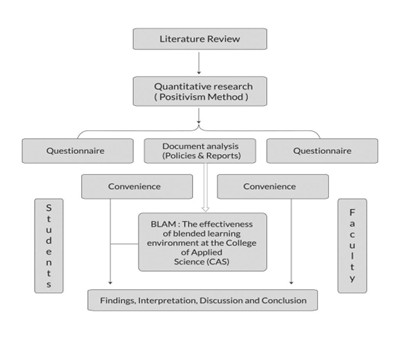
Research methodology services
- Tool Development Services
- Sample Work
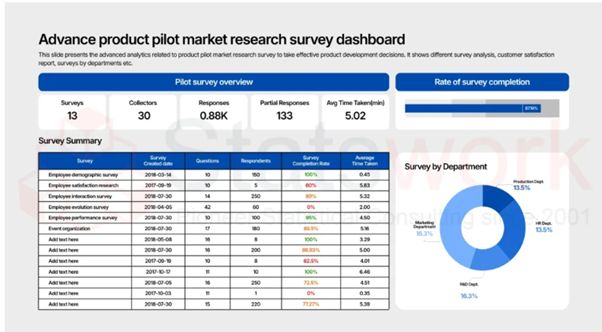
Tool development services
- Statistical Interpretation services
-
Statistical Interpretation services
- Sample Work
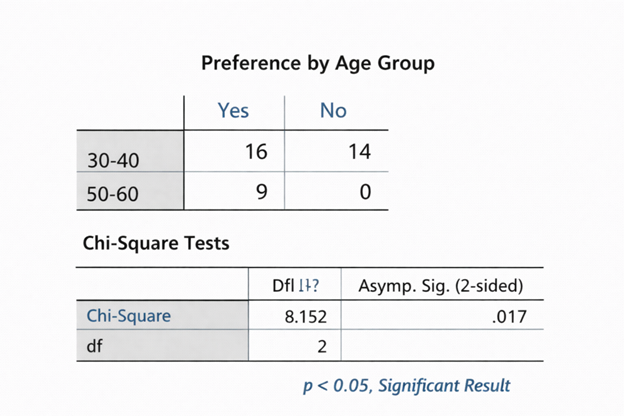
Statistical Interpretation services
-
- Sample Size Calculation Services
-
Sample Size Calculation Services
- Sample Work
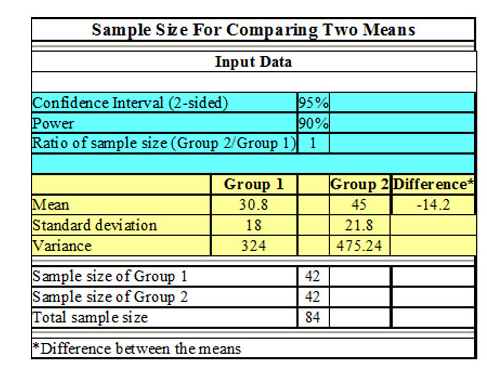
Sample Size Calculation Services
-
- AI & ML Services
-
Artificial Intelligence and Machine Learning Services
- Sample Work
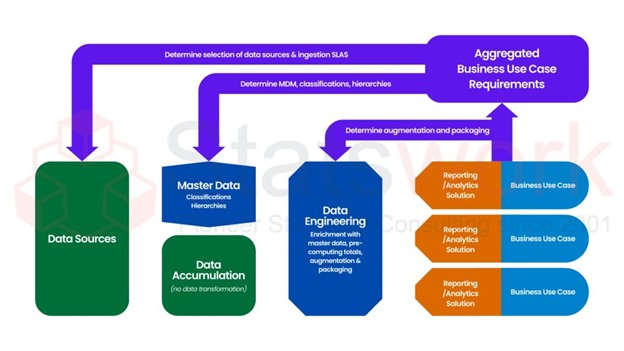
Artificial Intelligence and Machine Learning Services
-
- Meaningful Visualization Services
- Thought Leadership Services
- Report Generation Services
-
Report generation Service
- Sample Work
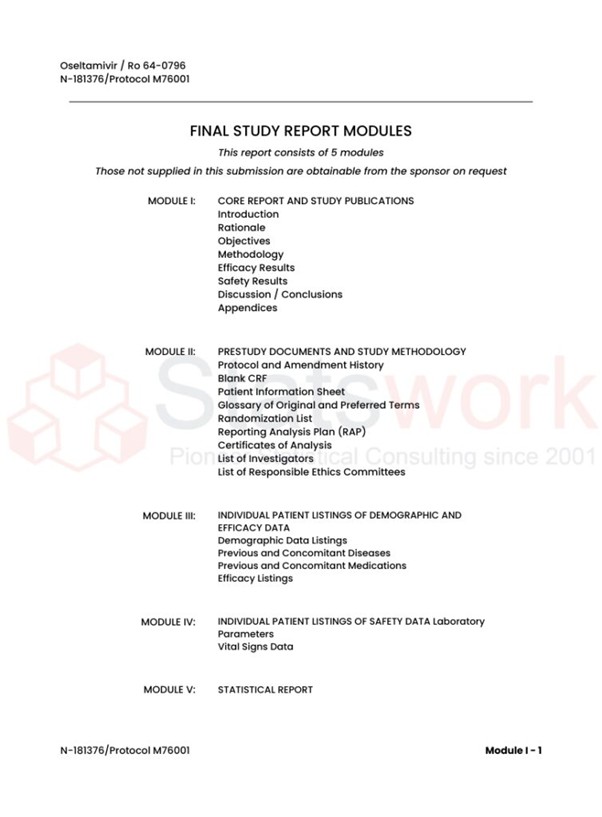
Report generation Services
-
- Data Analysis services
- Industries
- About Us
- Blog
- Insights
- Contact Us
- Services
- Data Analysis services
- Sample Work
Data Analysis services
- Secondary Qualitative Research Services
- Secondary Quantitative Research Services
- Meta-Analysis Research services
- Sample Work
Meta-Analysis Research Services
- Data Collection Services
- Sample Work
Data Collection Services
- Statistical & Biostatistics services
- Sample Work
Statistical Programming & Biostatistics services
- Data Management Services
- Sample Work
Data Management Services
- Research methodology services
- Sample Work
Research methodology services
- Tool Development Services
- Sample Work
Tool development services
- Statistical Interpretation services
-
Statistical Interpretation services
- Sample Work
Statistical Interpretation services
-
- Sample Size Calculation Services
-
Sample Size Calculation Services
- Sample Work
Sample Size Calculation Services
-
- AI & ML Services
-
Artificial Intelligence and Machine Learning Services
- Sample Work
Artificial Intelligence and Machine Learning Services
-
- Meaningful Visualization Services
- Thought Leadership Services
- Report Generation Services
-
Report generation Service
- Sample Work
Report generation Services
-
- Data Analysis services
- Industries
- About Us
- Blog
- Insights
- Contact Us
What Are the Disadvantages of the Questionnaire in Statistical Analysis?
Meta Analysis Service
Recommended Reads
Contact us
Summary:
Questionnaires are effective research instruments; however, they are susceptible to response bias, poor participation rates, interpretation problems, and other shortcomings that compromise their validity and quality. This post presents the nine main shortcomings of using questionnaires for research and identifies practical solutions for overcoming these weaknesses in survey design. Professional survey design and statistical validation services will be mentioned as the means for collecting quality data for research purposes.
Questionnaires are among the most used instruments of data collection in all types of primary research. It can be employee survey questionnaires, customer satisfaction questionnaires, and market research questionnaires, but whatever kind of questionnaire you use, your organization is likely to utilize the instrument intensively in collecting data both quantitatively and qualitatively. Nevertheless, there is an array of disadvantages of questionnaires that need to be known prior to conducting a research project [1].

The following guide provides detailed information regarding all the disadvantages of using questionnaires in statistics and how to fix them.
1. Likelihood of Response Bias
The risk of response bias is one of the most frequent disadvantages associated with the use of the questionnaire technique in research. People tend to give dishonest answers, especially when the issues being asked are those related to work. The social desirability bias leads to the selection of socially desirable responses by people instead of what they really think.
Fix: Use anonymized surveys and validated scales such as the Likert scale or semantic differential scale to reduce socially biased responses.
2. Low Response Rates
Non-response bias is a problem that is faced in the use of both online surveys and paper questionnaires. It occurs in situations where the respondents fail to fill out or return the questionnaires.
Fix: Keep surveys concise, offer incentives, and follow up with reminders to improve participation rates in customer feedback surveys and HR survey design.
3. Survey Fatigue
Survey fatigue happens if respondents must answer long surveys. This may cause hasty, incomplete, or careless answers. Survey fatigue may happen in the corporate environment when employees must fill out numerous business surveys within a short time span [2].
Fix: Limit the number of questions, use skip logic, and space out survey cycles strategically.
4. Inability to Probe Deeper
In contrast to the interview, the questionnaire does not have the chance to follow up on the answers received because once the questionnaire has been issued, there can be no way to follow up on any of the answers received [3].
Fix: Complement questionnaire data with follow-up interviews or adopt a data triangulation approach to enrich findings.
5. Sampling Bias
The survey tool might be biased since it will only target certain individuals from a certain group/channel. This is because an online survey, for instance, would exclude people who lack access to the Internet.
Fix: Apply probability sampling techniques and validate your sampling frame before distribution to ensure adequate representation.
6. Misinterpretation of Questions
Questions that have been improperly written could be interpreted by respondents in various ways. Since there is no researcher to explain, the data collected could vary since the questions could have different interpretations [4].
Fix: Conduct pilot testing and use research instrument validation techniques such as Cronbach’s alpha to assess internal consistency before full deployment.
7. Limited Validity and Reliability Testing
A lot of organizations use questionnaires without checking their reliability and validity. The absence of using methods like test-retest, inter-rater reliability or split-half reliability makes it impossible for the researcher to claim that the instrument measures what it is supposed to measure [4].
Fix: Run a formal validation study before large-scale deployment. Statistical checks like Cronbach’s alpha and construct validity assessments are essential for academic and B2B research.
8. Skipped Questions and Incomplete Data
It is common for people to leave unanswered those questions that are uncomfortable, unclear, and inappropriate to them. This results in the appearance of holes in the dataset and makes data analysis more complicated.
Fix: Use mandatory field settings carefully and design question flows using branching logic to reduce unnecessary skips.
9. Inflexibility of Design
Once the questionnaire is administered, it is not possible to change it. Any problem that arises during the survey could jeopardize the whole exercise of collecting data. This poses a greater challenge especially when dealing with longitudinal research and even large-scale secondary data collection exercises [2].
Fix: Invest in thorough pre-distribution review, including expert feedback and cognitive interviews to stress-test the instrument before launch.

Conclusion
Knowing the disadvantages of questionnaires is not a reason for discarding them; it is a reason to improve on their design. By handling the issues of surveys versus questionnaires, using appropriate measures for validity and reliability, and other issues, organizations that take the time to develop high-quality questionnaires will have much more credible research outputs [3].
Our team of highly experienced statisticians at Statswork assists organizations throughout the survey design process. Right from validating the research instruments, sampling design, statistical analysis, and writing of reports, our Survey Design and Questionnaire Development Services will make sure that you have the most methodological, bias-free, and publishable results. Be it outsourcing your survey design process, employee satisfaction survey, or customer satisfaction surveys, Statswork can help you with statistical expertise in these research areas.
Get in Touch with Statswork Today and build research you can trust.
Frequently asked question:
Questionnaires may produce inaccurate responses due to misunderstandings, low response rates, limited opportunities for clarification, and the possibility of response bias.
Interview methods can be time-consuming, expensive to conduct, prone to interviewer bias, affected by participant bias, and difficult to analyze when dealing with large amounts of qualitative data.
Questionnaires are a cost-effective way to collect data from a large number of participants and provide standardized responses that make data analysis easier.
A major problem with questionnaires is that respondents may misinterpret questions or provide incomplete or inaccurate answers, which can affect data quality.
Online questionnaires may exclude participants without internet access, experience low response rates, and increase the risk of incomplete or unreliable responses.
Two primary disadvantages of surveys are the potential for response bias and the inability to explore answers in greater depth through follow-up questions.
References
- Davis, L., Rhind, D., & Jowett, S. (2025). Surveys and questionnaires. In Research Methods in Sports Coaching(pp. 199-211). Routledge. https://www.taylorfrancis.com/chapters/edit/10.4324/9781003381891-25/surveys-questionnaires-louise-davis-daniel-rhind-sophia-jowett
- Garner, G. L., Nichols, D. S., Oberhofer, H., & Chim, H. (2026). Surveys and questionnaires: Design, measures, and classic example. In Translational Plastic Surgery(pp. 223-226). Academic Press. https://www.sciencedirect.com/science/chapter/edited-volume/abs/pii/B9780323911689000430
- Farida, I., & Setiawan, D. (2022). Business strategies and competitive advantage: the role of performance and innovation. Journal of open innovation: Technology, market, and complexity, 8(3), 163. https://www.sciencedirect.com/science/article/pii/S2199853122007648
- Taherdoost, H. (2022). What are different research approaches? Comprehensive review of qualitative, quantitative, and mixed method research, their applications, types, and limitations. Journal of management science & engineering research, 5(1), 53-63. https://hal.science/hal-03741840/document