
- Services
- Data Analysis services
- Sample Work
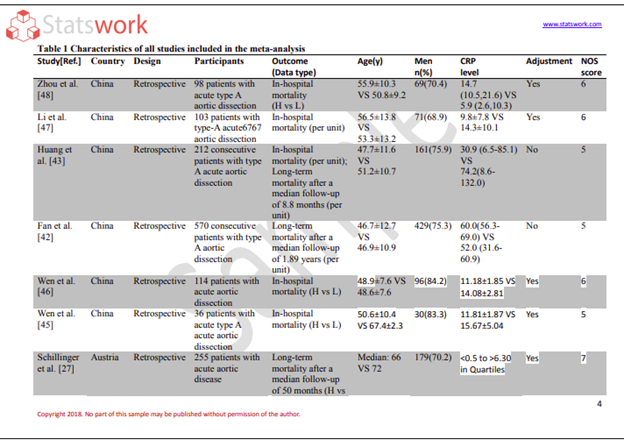
Data Analysis services
- Secondary Qualitative Research Services
- Secondary Quantitative Research Services
- Meta-Analysis Research services
- Sample Work
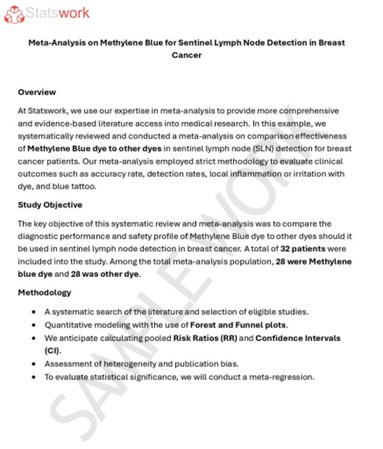
Meta-Analysis Research Services
- Data Collection Services
- Sample Work
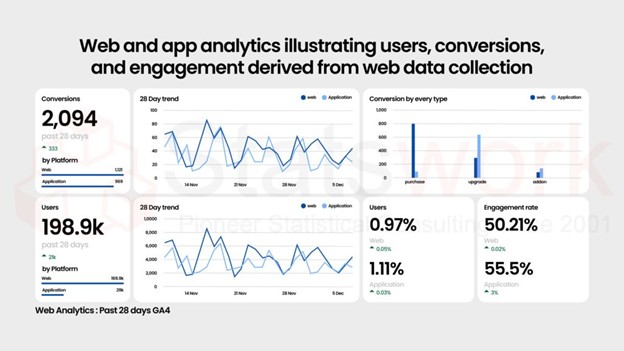
Data Collection Services
- Statistical & Biostatistics services
- Sample Work
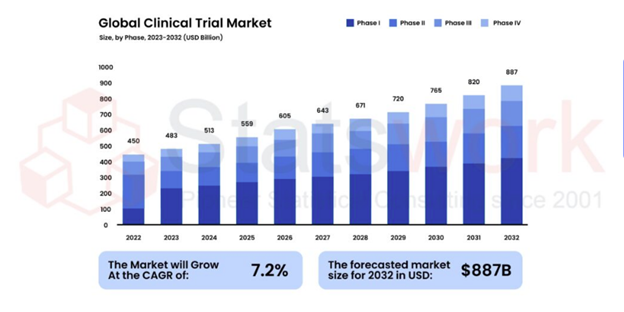
Statistical Programming & Biostatistics services
- Data Management Services
- Sample Work
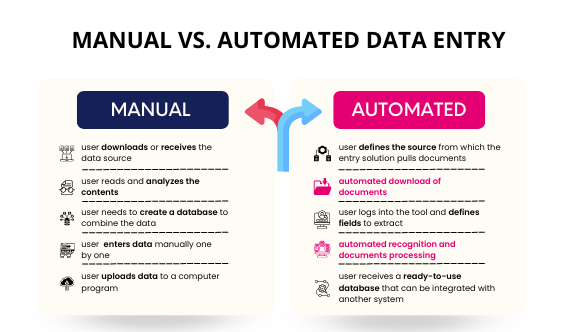
Data Management Services
- Research methodology services
- Sample Work
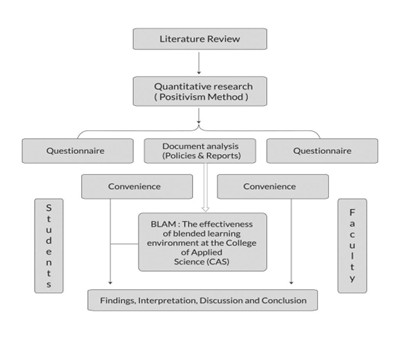
Research methodology services
- Tool Development Services
- Sample Work
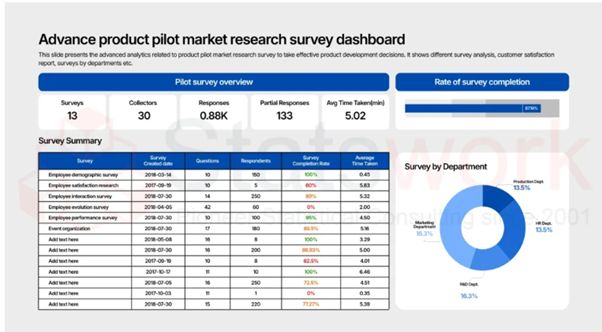
Tool development services
- Statistical Interpretation services
-
Statistical Interpretation services
- Sample Work
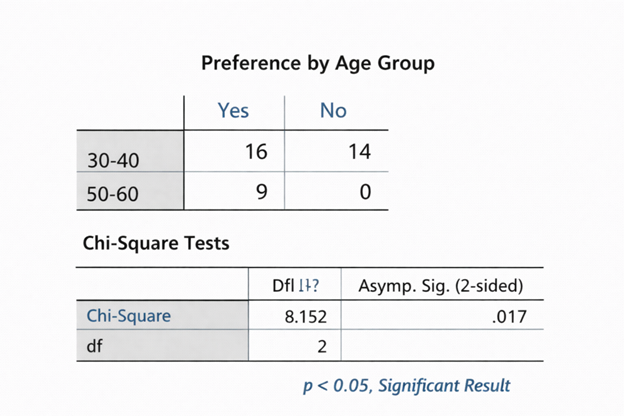
Statistical Interpretation services
-
- Sample Size Calculation Services
-
Sample Size Calculation Services
- Sample Work
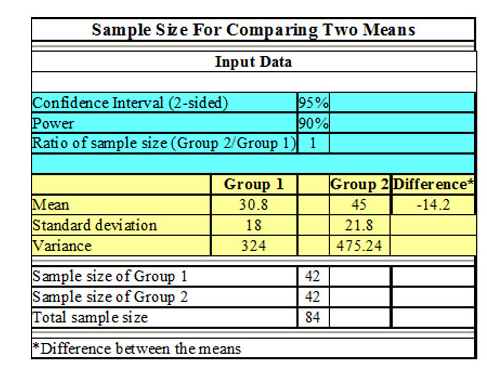
Sample Size Calculation Services
-
- AI & ML Services
-
Artificial Intelligence and Machine Learning Services
- Sample Work
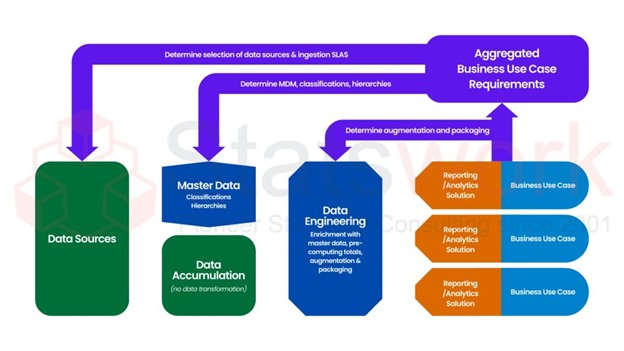
Artificial Intelligence and Machine Learning Services
-
- Meaningful Visualization Services
- Thought Leadership Services
- Report Generation Services
-
Report generation Service
- Sample Work
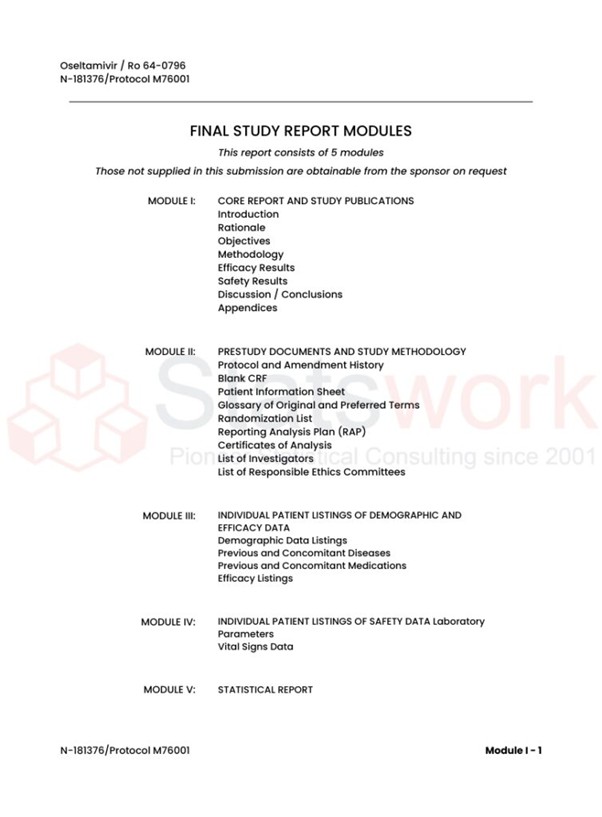
Report generation Services
-
- Data Analysis services
- Industries
- About Us
- Blog
- Insights
- Contact Us
- Services
- Data Analysis services
- Sample Work
Data Analysis services
- Secondary Qualitative Research Services
- Secondary Quantitative Research Services
- Meta-Analysis Research services
- Sample Work
Meta-Analysis Research Services
- Data Collection Services
- Sample Work
Data Collection Services
- Statistical & Biostatistics services
- Sample Work
Statistical Programming & Biostatistics services
- Data Management Services
- Sample Work
Data Management Services
- Research methodology services
- Sample Work
Research methodology services
- Tool Development Services
- Sample Work
Tool development services
- Statistical Interpretation services
-
Statistical Interpretation services
- Sample Work
Statistical Interpretation services
-
- Sample Size Calculation Services
-
Sample Size Calculation Services
- Sample Work
Sample Size Calculation Services
-
- AI & ML Services
-
Artificial Intelligence and Machine Learning Services
- Sample Work
Artificial Intelligence and Machine Learning Services
-
- Meaningful Visualization Services
- Thought Leadership Services
- Report Generation Services
-
Report generation Service
- Sample Work
Report generation Services
-
- Data Analysis services
- Industries
- About Us
- Blog
- Insights
- Contact Us
The Importance of Choosing the Right Data Collection Method for Business Research
Qualitative Research Service
News & Trends
Recommended Reads
Contact us
Summary:
Grounded theory approach in accounting research is the qualitative approach that focuses on developing theories using actual data from organizations and finance, as opposed to making use of prior theoretical assumptions. The purpose of this blog is to describe the background of grounded theory, its processes, applications, advantages, and disadvantages, while emphasizing its contribution to discovering useful information in areas such as corporate governance, budgeting, and behavioral accounting.
What is Grounded Theory in Accounting Research?
This is the inevitable conundrum that every accounting researcher will face, whereby while everything else looks perfect and well-formulated, the reasons for financial activity cannot be placed in any existing theoretical framework. That is precisely where grounded theory comes in.
Unlike in traditional studies where the hypothesis to test was developed several years ago, grounded theory gives an opportunity to develop theory through data analysis. As far as those who do corporate governance, budget research, or behavioral accounting are concerned, this inductive approach has been gaining credibility in the qualitative research world and is indeed a distinguishing factor for research teams that need their findings to be actionable for their clients [1].
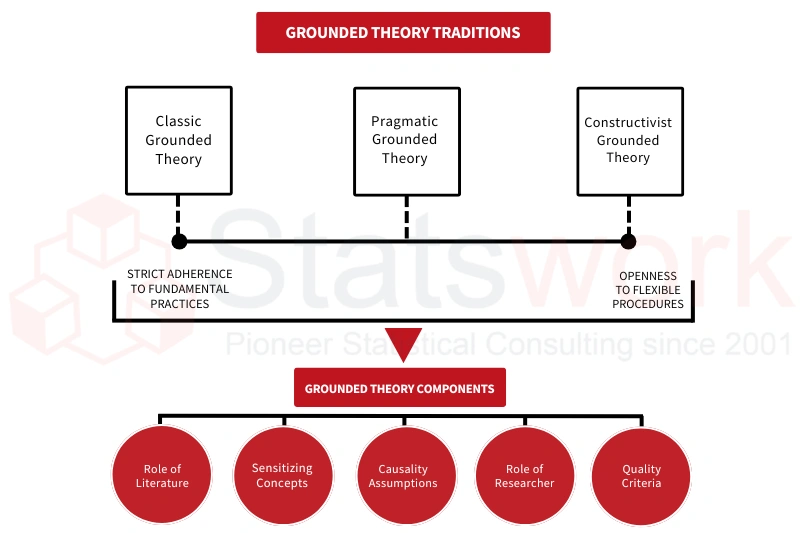
Why Grounded Theory Matters in Accounting Research
Accounting studies conducted traditionally are those that begin with an established theory and then search for supportive evidence. Grounded theory breaks the process by developing a substantive theory based on financial and organizational evidence seen in real life without any pre-existing theory applied to it.
The importance of this is that issues faced in accounting are dynamic in nature. The reporting standards change, the governance structure changes, and the managerial behavior differs significantly from one industry to another.
| Traditional Approach in Deductive Research | Grounded Theory (Inductive Approach) |
| Begins with an existing theory or hypothesis. | Begins with raw qualitative data. |
| Compares collected data with an existing theoretical framework. | Develops a new theory directly from the collected data. |
| Well suited for confirming or testing existing relationships. | Ideal for exploring new, complex, or poorly understood phenomena. |
| May risk forcing data to fit an existing theory. | Keeps the emerging theory grounded in empirical evidence. |
The Origins: Glaser and Strauss
The concept of grounded theory was developed by Glaser and Strauss in their pioneering book called The Discovery of Grounded Theory [2]. The point of this method is simple but radical for those times – theory must be discovered, not forced upon researchers.
In later years, grounded theory was divided into two major schools:
- Glaserian School – Places greater emphasis on emergence. The researcher goes into the field with a small number of expectations and waits for the core category to emerge.
- Strauss School – Implements coding to find the way through data analysis with open, axial and selective coding.
Both theories are perfectly applicable to accounting research – it all depends on your specific case.
How to Apply Grounded Theory in Accounting Research: Stages & Steps
There is not one single jump in implementing grounded theory; it is more of a cyclical and systematic approach to research. Here is the way the process normally goes step-by-step in decent quality accounting research:
- Research Problem Framing – The research problem is formulated in the accounting field without expectations of any kind for the results.
- Theoretical Sampling – The sources of data (interviews, accounting data, minutes from meetings of the board, budget data) are chosen according to the requirements of the emergent theory [3].
- Datamining – Qualitative data are gathered through interviews, observations, or documentation analysis dealing with corporate governance, management accounting, and budgeting.
- Open Coding – The data are segmented and coded into concepts without prejudices.
- Axial Coding – The concepts are put together again to see the connections between the categories [3].
- Selective Coding – The concepts are connected based on the core concept.
- Constant Comparison – Data are continuously compared with codes.
- Theoretical Saturation – Collection of the data ends if nothing new is learned anymore.
| Stage | Primary Activity | Output |
| Open Coding | Identify and label raw data | Concepts |
| Axial Coding | Connect and organize related concepts | Relationships among categories |
| Selective Coding | Integrate categories around a central (core) theme | Central category |
| Constant Comparison | Compare data continuously to refine emerging concepts and relationships | Validated theory[4] |
Where Grounded Theory Fits in Accounting Disciplines
Applications of the grounded theory are numerous and cover a range of financial research fields like:
- Corporate governance and boards of directors’ decisions,
- Behavioral accounting and managerial judgment,
- Budgeting research and budgeting practices,
- Design of the accounting information system.
The nature of the accounting data as mostly qualitative (interviews with CFOs, reports, corporate governance etc.) allows the usage of grounded theory to build an empiric base of organizational practice [3].
Common Challenges Researchers Face
However, no methodology is without problems, and there are various problems associated with grounded theory:
- Bracketing pre-existing knowledge is tough since the researcher needs to detach themselves from their assumptions about the theory.
- Saturation is also problematic as establishing when enough data has been collected is subjective.
- The validity of the research requires the causal condition to be justified.
- It is not generalizable since grounded theory results in substantive theory, not universal law [4].
Why Partner with Research Methodology Experts
The process of grounded theory calls for much more than just the completion of an inventory – it calls for rigor in sampling techniques, data coding, and methodological consistency from the very first interview right through to the very last core category. This is precisely where specialized methodology support and statistical consultation come into their own.
What is included in the research consultation services provided by us?
- Creation of a robust grounded theory research framework
- Development of frameworks for theoretical sampling and data collection
- Conduction of open, axial, and selective coding regularly
- Determining theoretical saturation and research validity
- Masterful methodology for your dissertation
The Bottom Line
Grounded theory continues to be one of the most effective methods of deriving substantive theories from empirical data in accounting — especially when existing frameworks do not fit the governance system, budgets, or organizational behavior of the entity. When done correctly, it enables converting unprocessed qualitative information into decision-making knowledge.
Statswork is known for doing just that. Our research methodology and statistical consulting professionals assist researchers, doctoral students, and academic institutions in conducting credible grounded theory research — from theoretical sampling, coding of the collected data to theory validation. We have experience in corporate governance, behavioral and management accounting research. Let us help you derive a substantive theory from your raw data.
Ready to strengthen your grounded theory research design? Talk to the Statswork team today.
Frequently asked question:
Grounded theory is used in accounting research to develop theories based on real-world data collected from accountants, auditors, managers, and organizations. It helps researchers understand accounting practices, decision-making processes, and financial reporting by identifying patterns and themes from participants’ experiences.
Grounded theory is a qualitative research method that builds a theory from data rather than testing an existing one. Researchers collect and analyze information continuously until they identify meaningful patterns that explain a particular phenomenon.
According to John W. Creswell, grounded theory is a qualitative approach used to generate or discover a theory that explains a process, action, or interaction based on participants’ experiences. It involves systematic data collection, coding, constant comparison, and theory development.
Grounded theory was introduced by sociologists Barney Glaser and Anselm Strauss in 1967 through their book The Discovery of Grounded Theory. They developed this method to create theories that are directly grounded in empirical data.
The three main types of grounded theory are Glaserian Grounded Theory, Straussian Grounded Theory, and Constructivist Grounded Theory. Each approach differs in its coding procedures, level of researcher involvement, and interpretation of data.
According to John W. Creswell, research is a systematic process of collecting, analyzing, and interpreting information to increase understanding of a topic or solve a problem. It involves structured steps that ensure findings are dependable, valid, and meaningful.
Reference
- Zhao, Y., Zhou, R., Yu, Q., & Zhao, L. (2025). Revealing the contribution of mountain ecosystem services research to sustainable development goals: A systematic and grounded theory driven review. Journal of environmental management, 373, 123452. https://www.sciencedirect.com/science
- Paapa, C., & Kambona, O. O. (2025). A critical review of grounded theory and thematic analysis in qualitative research: A way forward for qualitative Researchers. International Journal of Science and Research Archive, 16(3), 302-313. https://www.researchgate.net/profile
- Zanganeh, M., Jamshidi Navid, B., Ghanbary, M., & Mohamadi Yarijani, F. (2025). Identifying Opportunities and Challenges of AI-Based Decision-Making in Auditing Using the Grounded Theory Method. International Journal of Finance & Managerial Accounting, 12(46), e24160. https://www.ijfma.ir/article_24160
- Wan Noordin, W. N., Sukmayadi, V., & Christi, T. V. (2025). Charting new horizons: a bibliometric analysis of the landscape of grounded theory in Indonesian communication studies. Asian Journal of Communication, 35(1), 44-57. https://www.tandfonline.com/doi/abs